The Cascadier
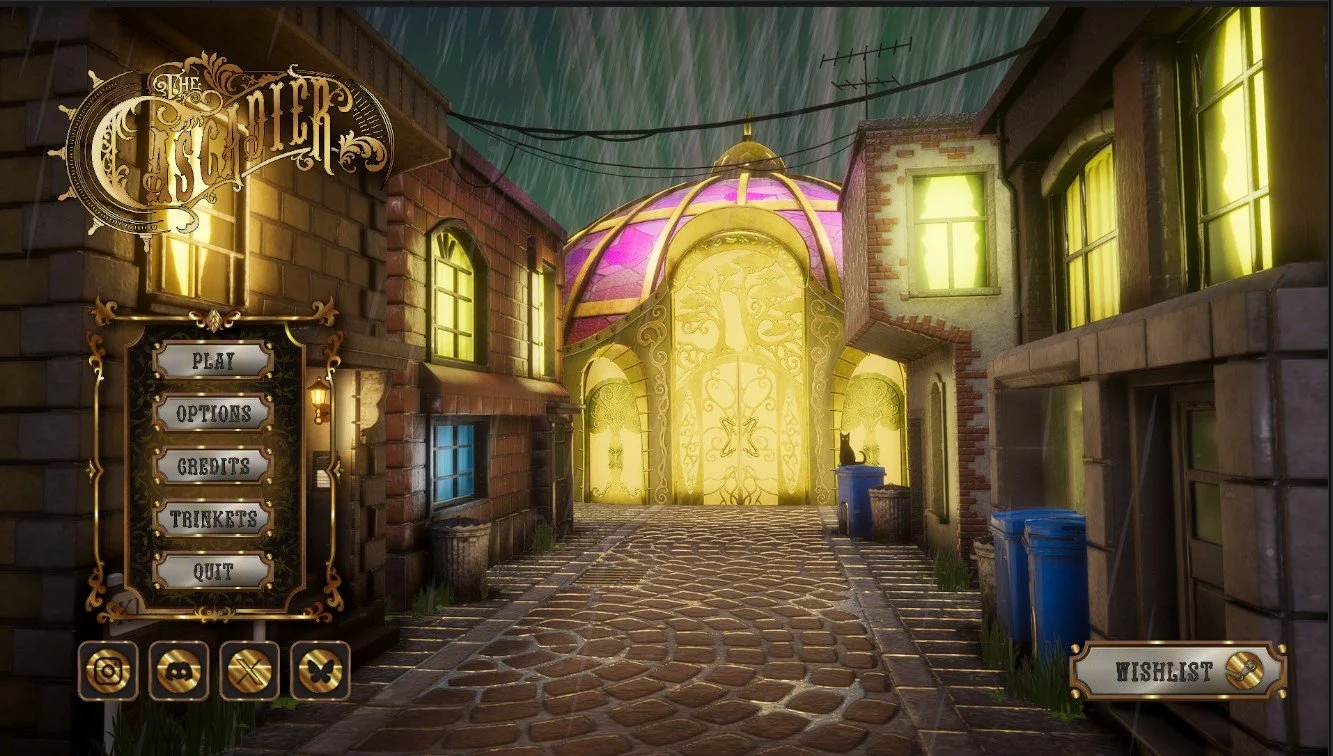
A physics driven coin pusher set in an enchanted arcade.
Players manipulate cascading coin systems, abilities and meta progression to bend the machine in their favour.
01. Project Overview
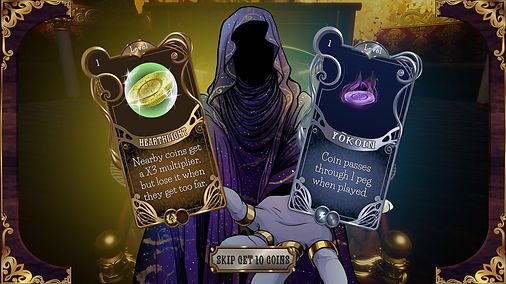
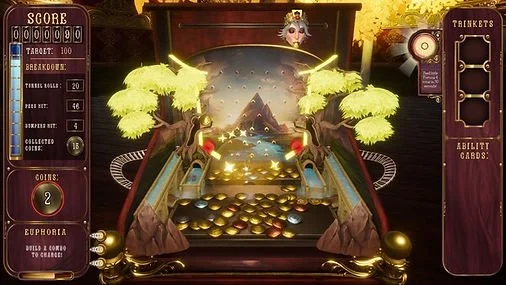
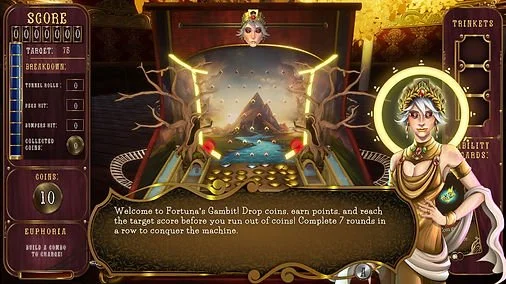
The Cascadier is a story-driven, roguelite deck-builder where your cards power enchanted coins dropped into magical coin-pusher arcade machines. Each machine plays like a living pinball board packed with secrets, hidden paths, and mechanical surprises. Build clever decks to charge your coins with explosive abilities, watch them trigger brilliant VFX and wild chain reactions, and push for colossal scores run after run.
Along the way, you’ll encounter gods, supernatural beings, and mystical entities — all vying for your devotion in a universe ruled by Fortuna, the Goddess of Fortune, and her brother Theodan.
Game Design, UI/UX Design, Unity Generalist
Role:
Studio:
Enchanted Arcade
Tools:
Unity, Plastic SCM, Adobe Creative Cloud
Platform:
PC (Exhibition build)
02. Art Direction and Game Design
The goal was to transform a classic coin cascade machine into a layered roguelite system built around tactile physics, build crafting, and escalating spectacle.Inspired by coin pushers, Balatro, and Tetris Effect.
Key Pillars:
Emergent Strategy
Build Crafting
Narrative Influence
Primary Objective:
Strategically deploy coins and modifiers to reach each machine’s score threshold.
Secondary Objectives:
Discover powerful coin and ability synergies
Manipulate machine physics to extend cascades
Trigger mastery events (Euphoria)
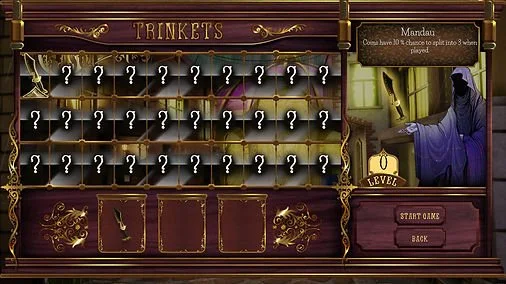
Shape progression through trinkets and god alignment
Core Mechanics in Every Machine:
Coin resource management
Physics-based peg & shelf interactions
Final cascade resolution
Euphoria trigger
Quests
Abilities
Trinkets
Shop system
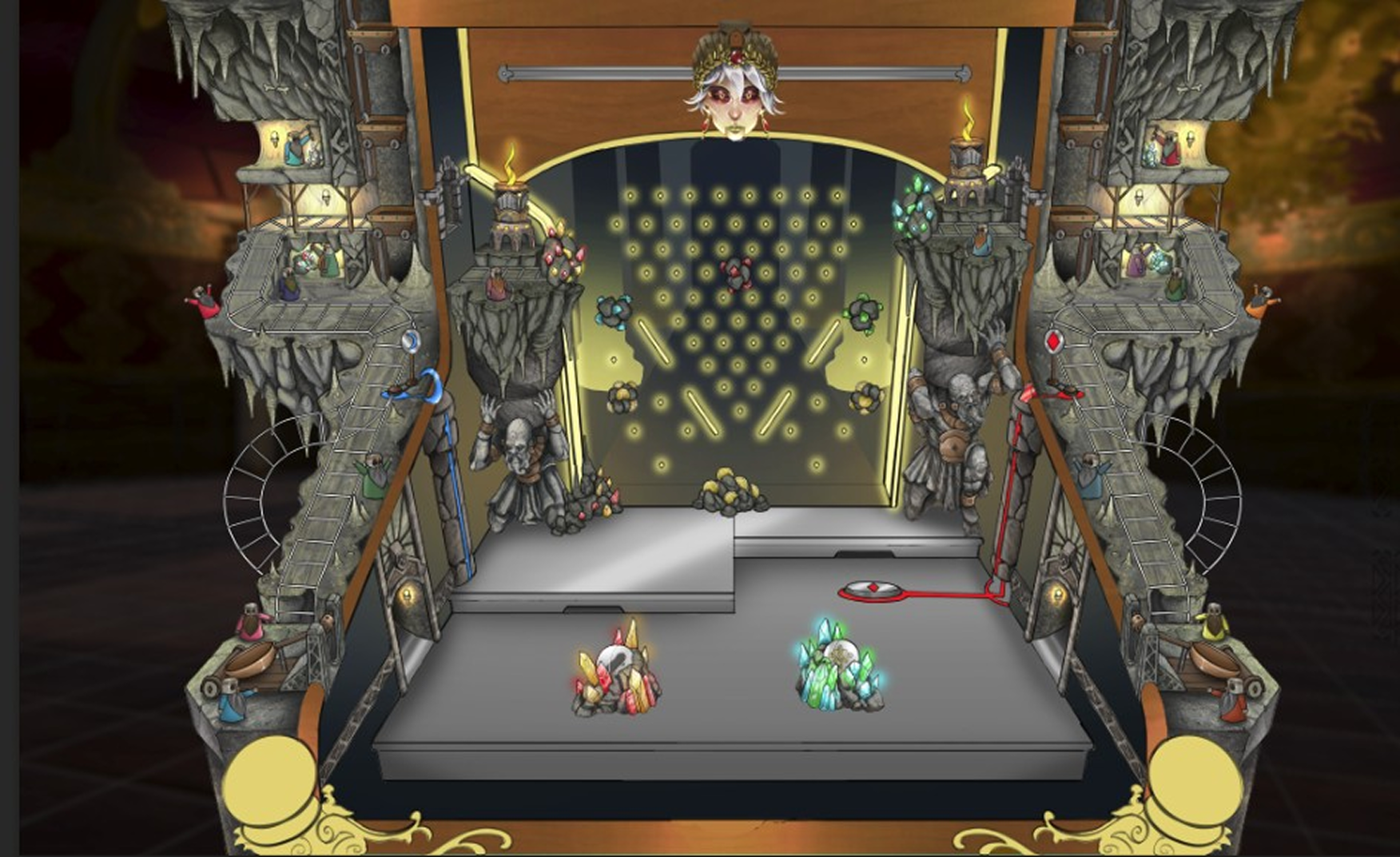
The world is set within an enchanted arcade, drawing from Art Nouveau architecture and exaggerated supernatural themes. Machines are designed as theatrical set pieces — Wind, Earth, Fire, Fortuna — each with distinct identity and environmental storytelling.
03. The Core Challenges and Soloutions
1. Designing Layered Roguelite Architecture Without Cognitive Overload
Problem
The Cascadier combines multiple interacting systems:
Core physics loop (coin deployment & collision)
Abilities and trinkets modifying moment-to-moment play
God alignment & Euphoria events
Ticket economy & progression thresholds
Long-term meta unlocks across machines
Without architectural separation, these layers risked feeling disconnected, feature-heavy, and cognitively overwhelming.
Solution
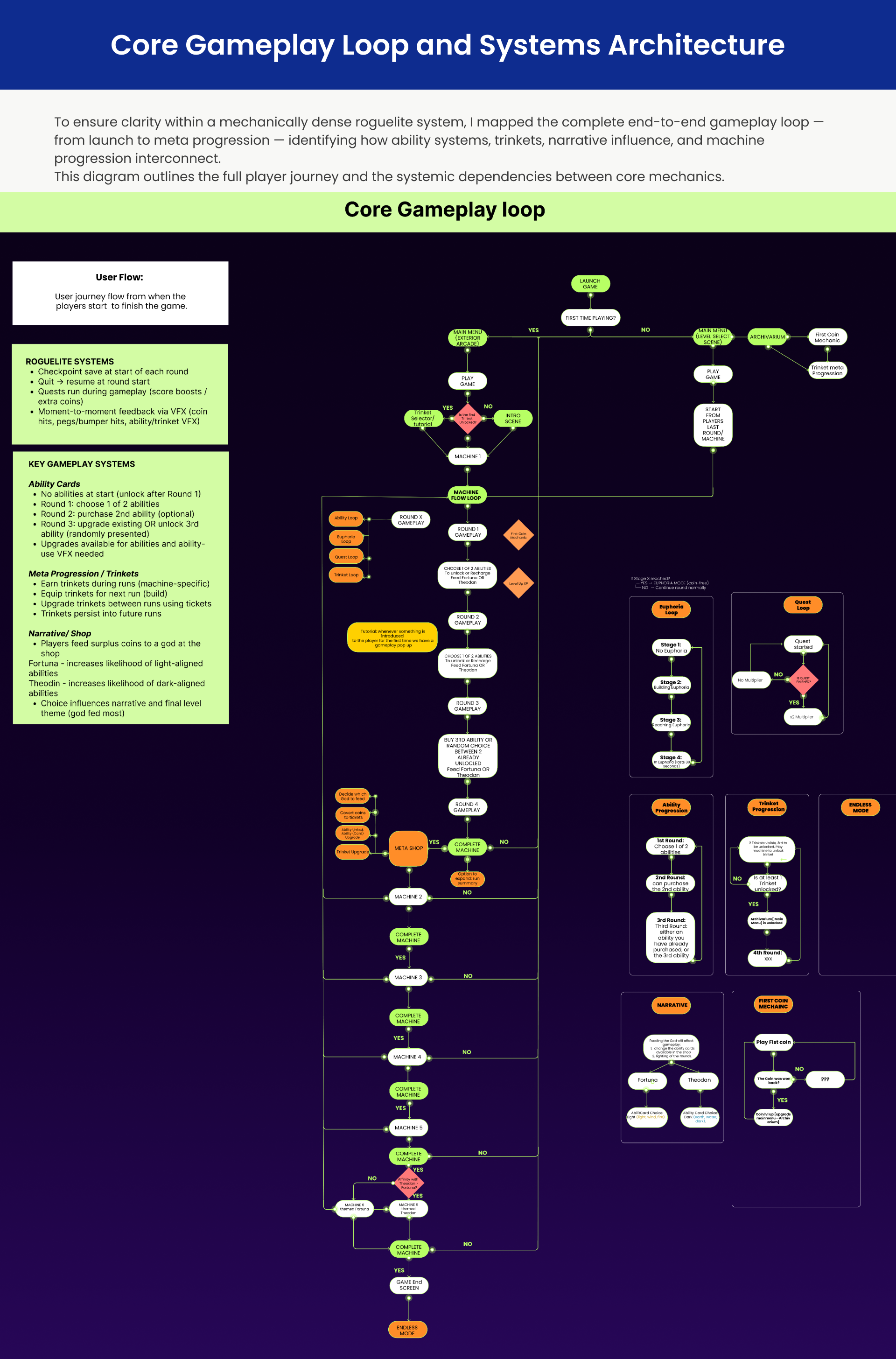
I formalised the system into four structured layers:
Core Loop – Coin drop → physics interaction → scoring feedback
Challenge Layer – Skill-based Euphoria triggers & objectives
Run Modifiers – Abilities, trinkets, god alignment
Meta Systems – Permanent unlocks & long-term progression
This created clear dependencies between systems and ensured meta progression enhanced — rather than disrupted — moment-to-moment gameplay.
To validate clarity, I mapped the complete end-to-end gameplay loop and system dependencies.
Impact
The design shifted from feature-dense to architecturally coherent. Each layer now serves a defined purpose within the run structure, reducing cognitive strain while preserving systemic depth.
2. Maintaining Clarity Within Escalating Visual Chaos
Problem
As runs progressed:
Particle density increased
Modifiers stacked
Score events layered
Visual spectacle intensified
Testing revealed unclear cause-and-effect feedback and difficulty tracking scoring logic during high-density cascades.
Solution
I introduced a strict information hierarchy and refined UI/UX:
Reduced non-essential on-screen information
Separated decorative spectacle from gameplay-critical data
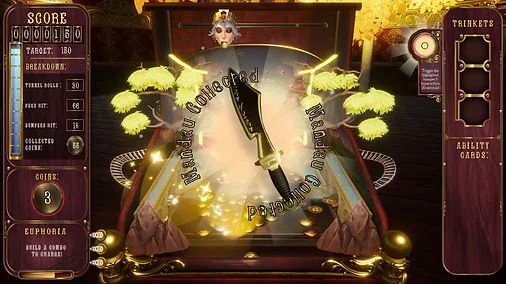
Clarified score feedback and trigger states
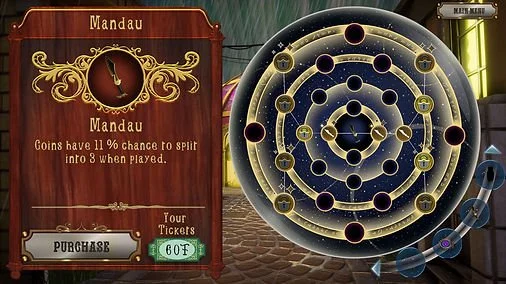
Consolidated upgrade/shop screens
Iterated on UI layout sketches to reinforce player focus
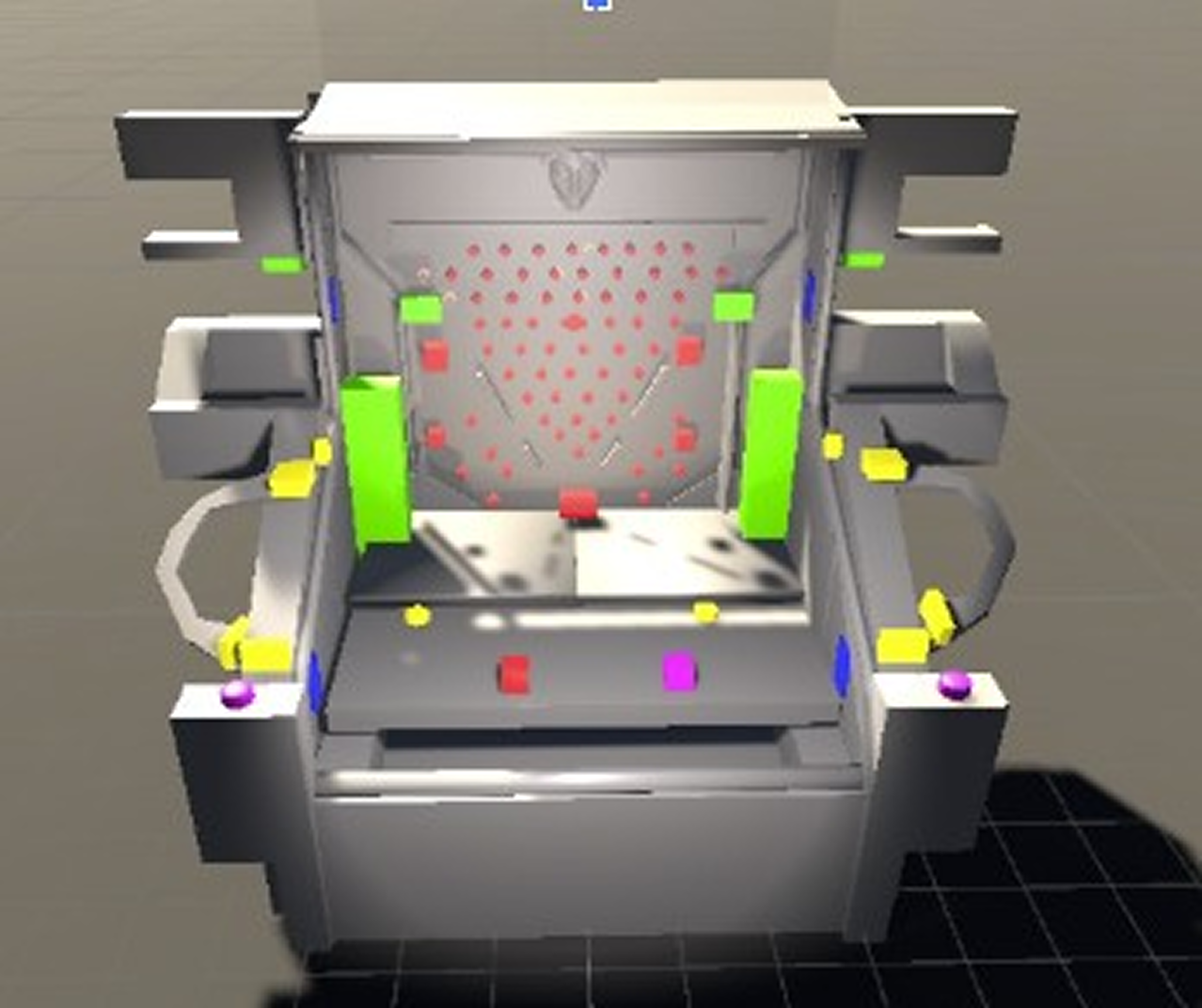
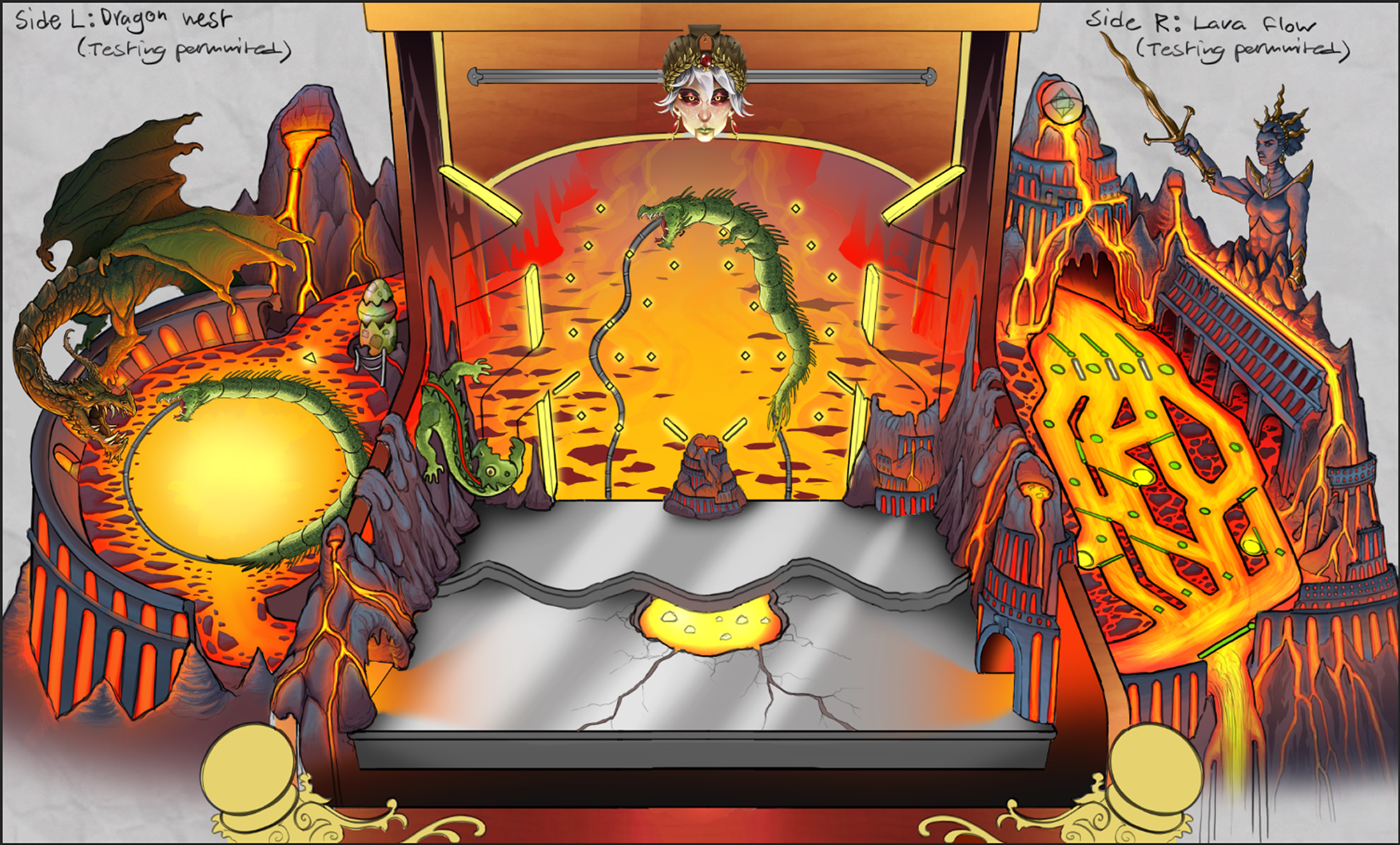
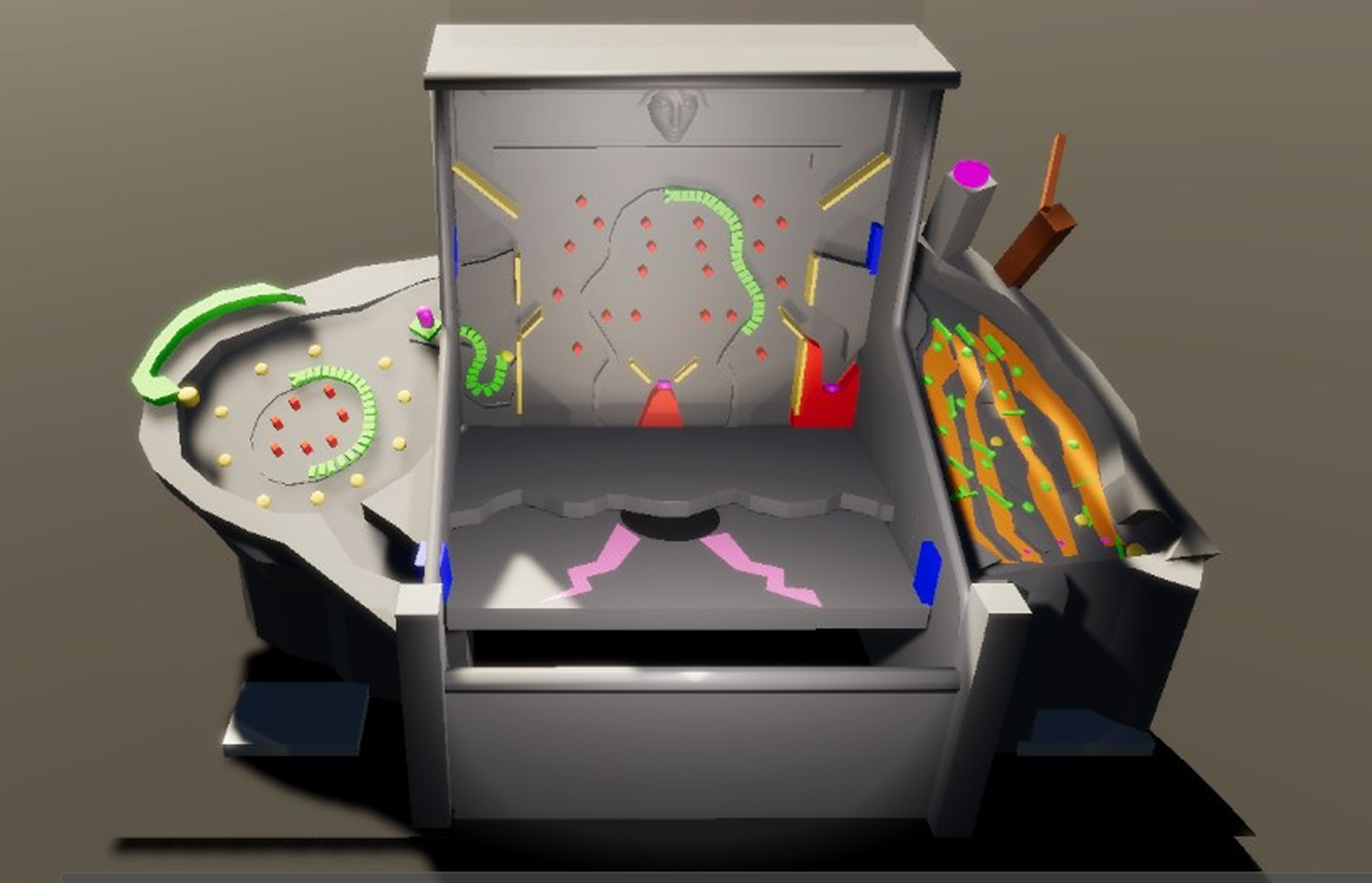
Additionally, machines were rebuilt in greybox to validate spatial clarity and mechanics before reintroducing visual fidelity.
Impact
Escalation now feels dramatic rather than overwhelming. Players can track cause-and-effect even during dense cascades.
3. Balancing Physics Randomness With Strategic Control
Problem
Physics-driven coin behaviour introduced high variance in early prototypes. Playtesting revealed inconsistent outcomes and perceived unfairness caused by uncontrolled spills and stack collapses.
Solution
To frame randomness within strategic boundaries:
Measured coin drop-through and stack collapse rates during greybox testing
Calibrated peg density and shelf friction to stabilise variance
Introduced a finite coin “bucket” economy per run
Defined clear ticket thresholds per machine
Designed skill-gated Euphoria triggers to reward mastery
Randomness remained present — but bounded.
Impact
Failure rates stabilised and perceived fairness improved. Runs feel explosive yet skill-driven, with build decisions and execution influencing outcomes more than chance alone.
04. Result
The game is still in development.

05. Play the game
Wishlist the game on Steam and play a demo here