The Contractors
Project Overview
The Contractors is a one-to-two-player couch co-op game where players take on the role of chaotic handymen fixing up properties during live house viewings. What appears perfect in the ad quickly unravels into chaos behind the scenes- rooms collapse, walls need patching, and furniture must be rearranged before the buyer arrives.
Developed over nine months at the National Film and Television School, the project brought together a 45-person multidisciplinary team across design, art, programming, and sound. My role as Art Director, Game Designer, and UI/UX Designer focused on defining the game’s visual identity and creating feedback systems that kept the experience frantic but readable. All music recorded at AIR Studios in London.
Highlights: Showcase EGX/ MCM, interviews and showcases at BBC/CBBC and BFI, and publisher interest from Apple Arcade, Raw Fury and development interest from Unity and Mediatonic.
Game Details
Genre: Couch co-op management sim
Platform: PC
Engine: Unity
Team Size: 45
Project Duration: 9 months
Role:
I served as Art Director, Game Designer, Lead Developer and Project Director, responsible for both the creative vision and the practical execution of the project.
Key contributions included:
Defining the visual identity, UI/UX flow, and overall art direction.
Designing and implementing HUDs and feedback systems to maintain readability during chaotic gameplay.
Creating 3D models, concept art, and level designs, using a mix of hand-crafted and digitally produced assets.
Project managing a large, multidisciplinary team to ensure coherence across art, design, and programming.
The Challenge
We wanted The Contractors to feel relatable but fun, a comedic exaggeration of everyday life.
Everyone knows the chaos of renting or buying a house: the too-perfect online listings, the sleazy estate agents, and the shocking reality behind the photos. We turned that shared frustration into a co-op comedy about cleaning, fixing, and disguising flaws under pressure. Our biggest challenge was scope and polish, building a complete, engaging experience in just nine months with a 45-person team.
We initially planned five unique levels, each shaped by clients with distinct personality traits that influenced the design of their homes and the scenarios within them. Every asset was intended to be handmade and unique, which gave the world its charm but placed heavy demands on production time and budget.
The Result
To make the project achievable, we narrowed the scope and focused on creating one fully polished gameplay loop that could be completed in around ten minutes- ideal for exhibition play at EGX and MCM Comic Con.
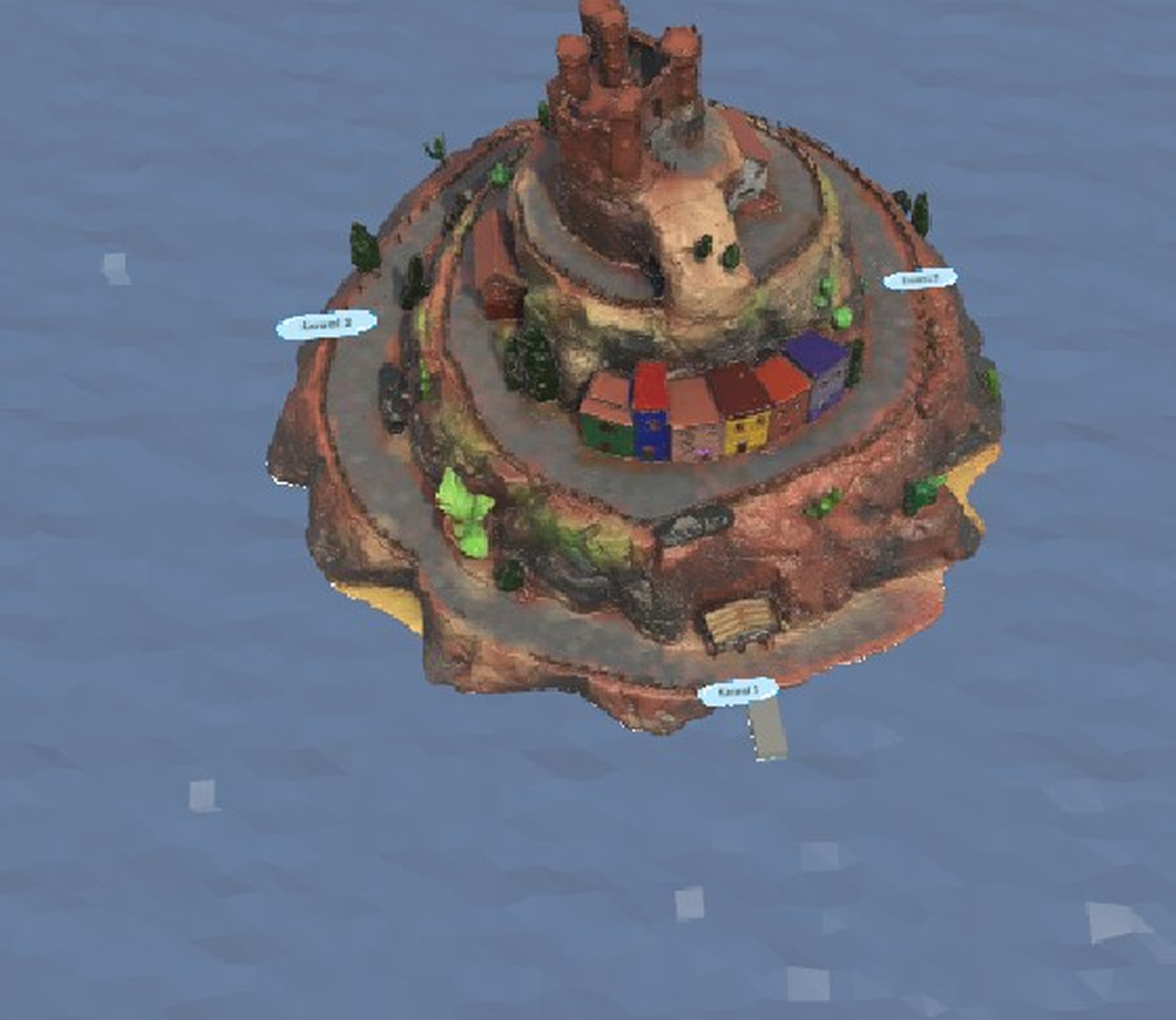
We developed a concise yet complete experience, including a tutorial, world-select screen (boats and tuk-tuks), a house-viewing sequence, and one fully playable level. This allowed us to showcase the full tone and humour of the game while ensuring visitors could enjoy the entire loop during a short demo.
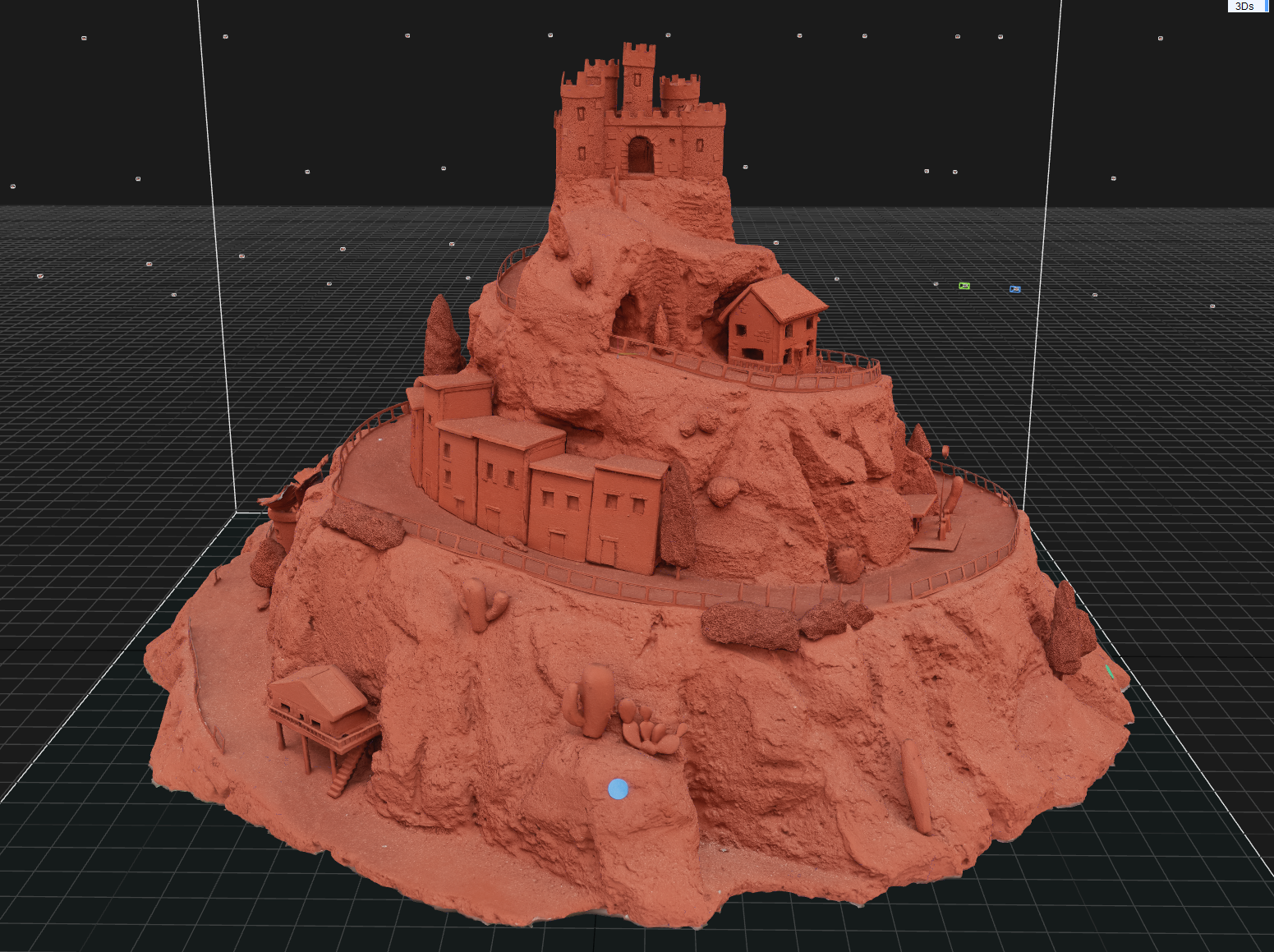
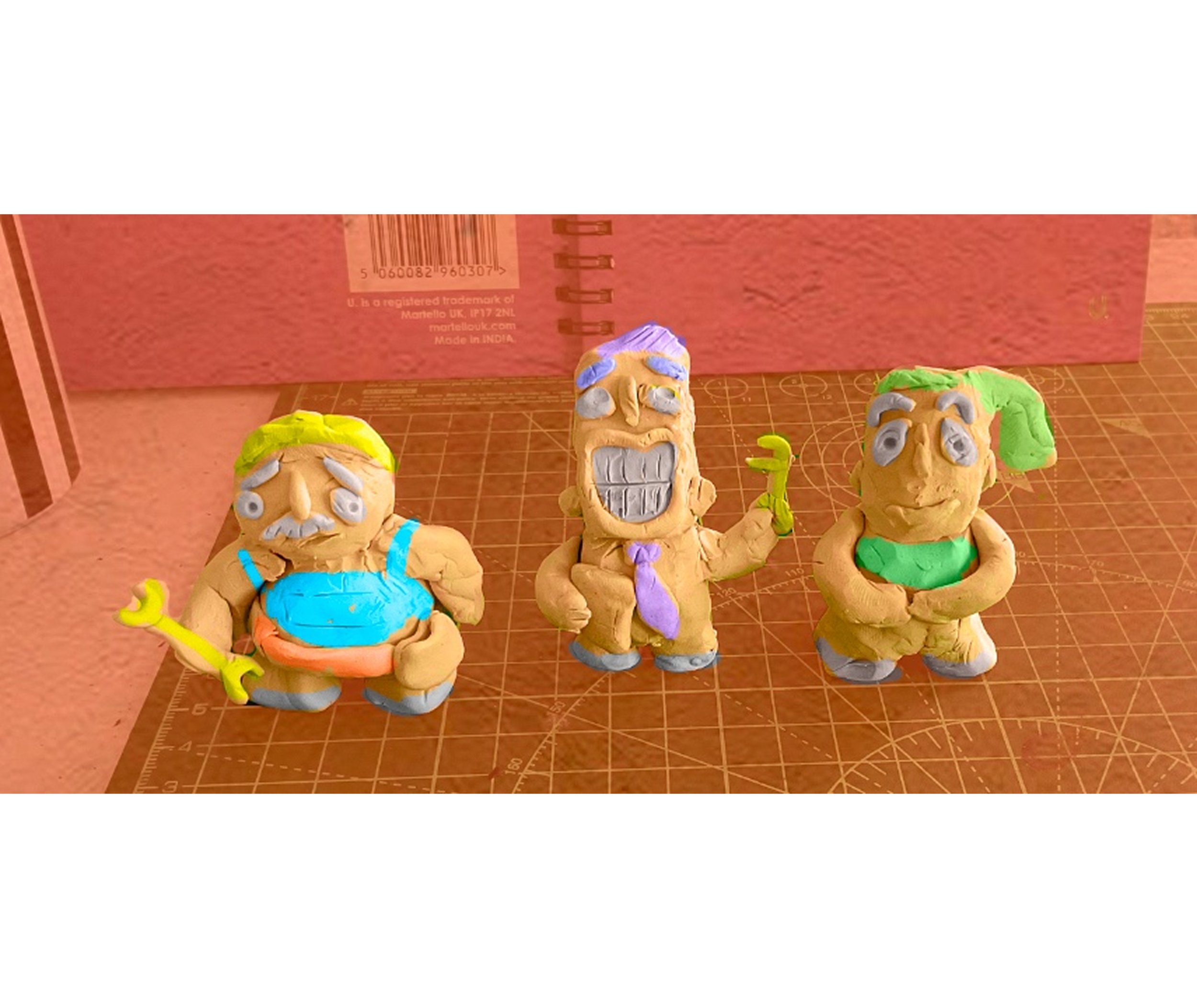
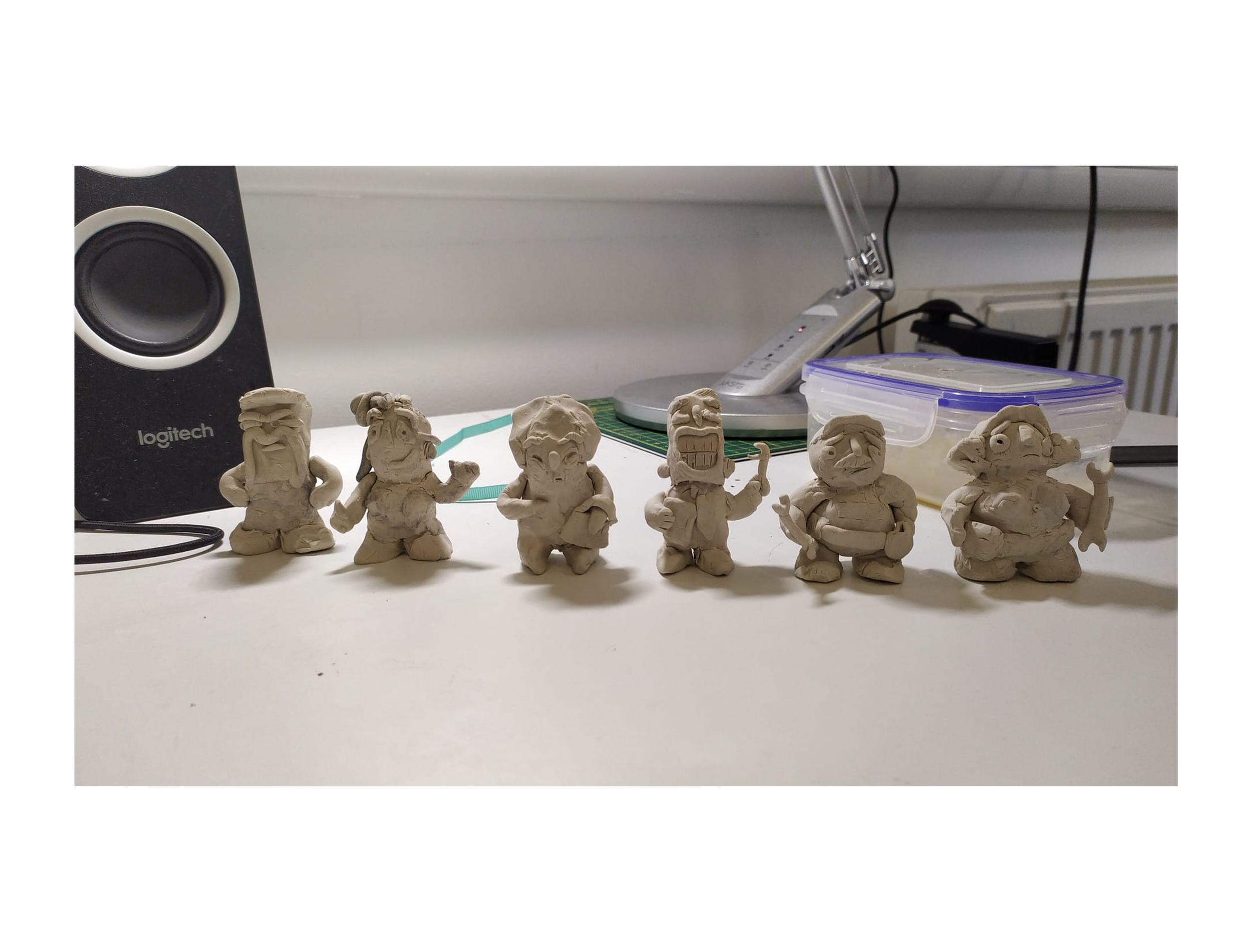
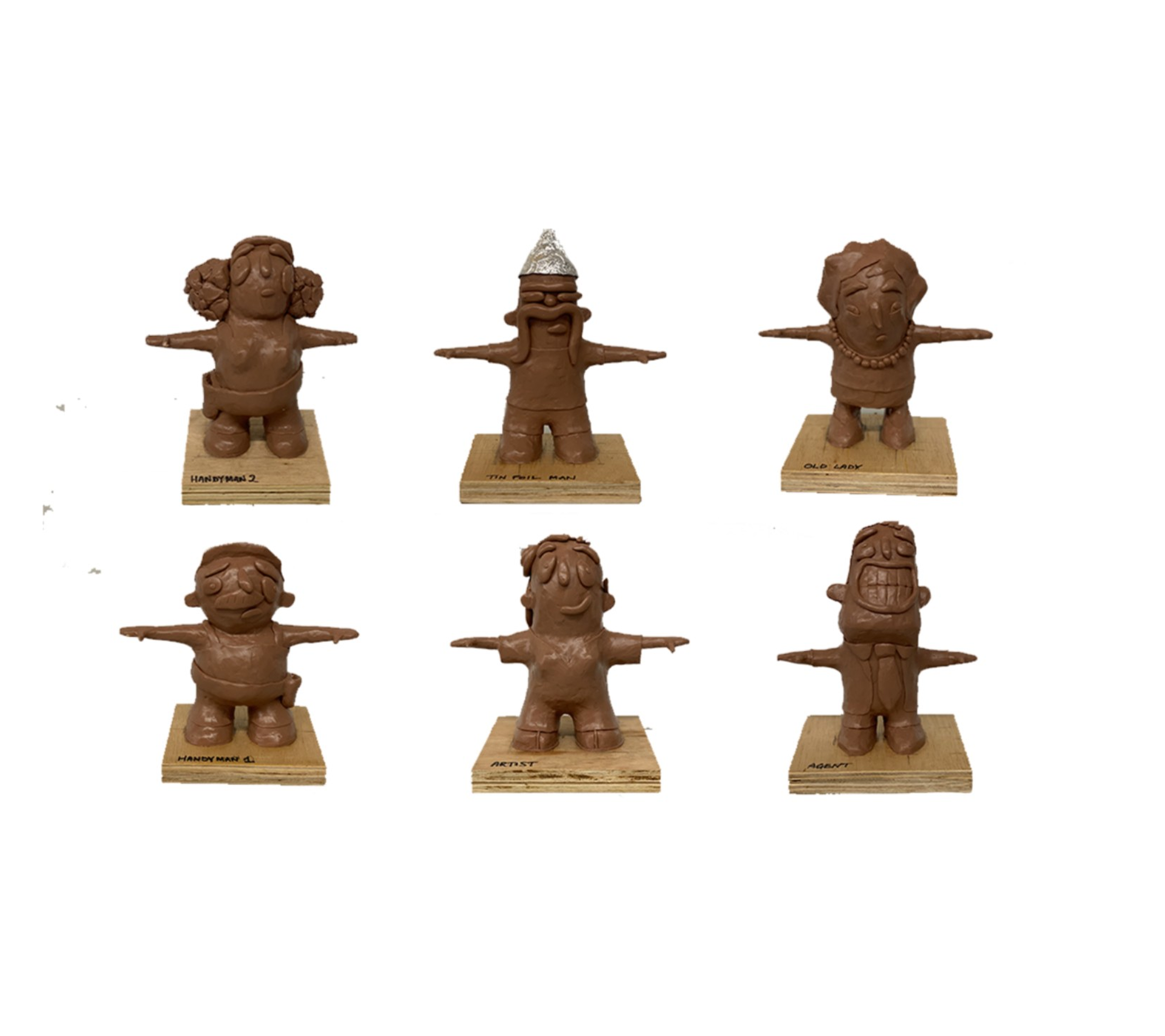
To stay within budget and preserve a handcrafted feel, we adopted a hybrid art pipeline: several assets were sculpted in clay and scanned via photogrammetry, while others were modelled directly in-engine. Through consistent playtesting and iteration (every month with 50 plus playtesters), the final build struck the balance we wanted - chaotic yet readable, stressful yet funny- proving that scaling down can lead to a stronger, more polished result.
Concept Art and Visual Development
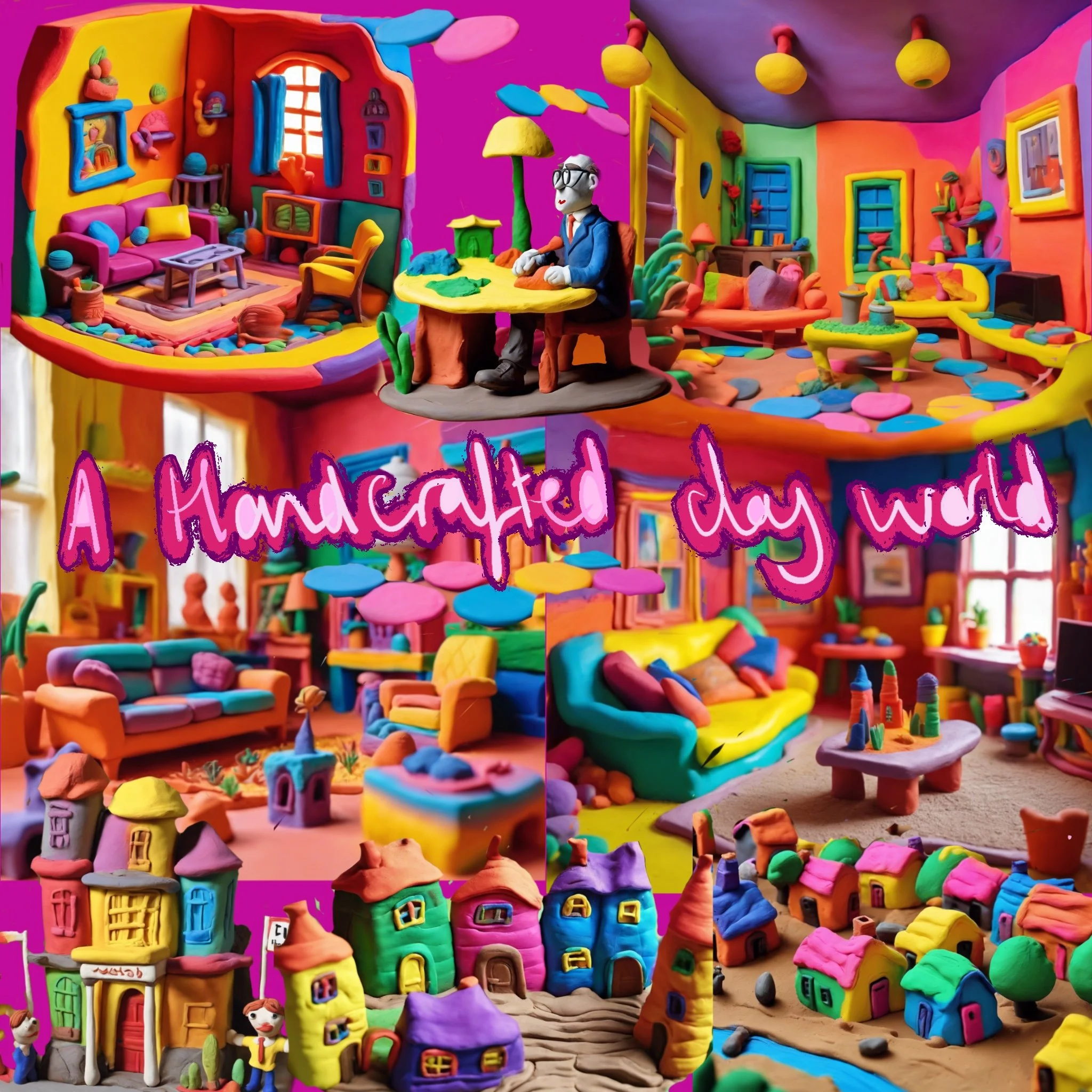
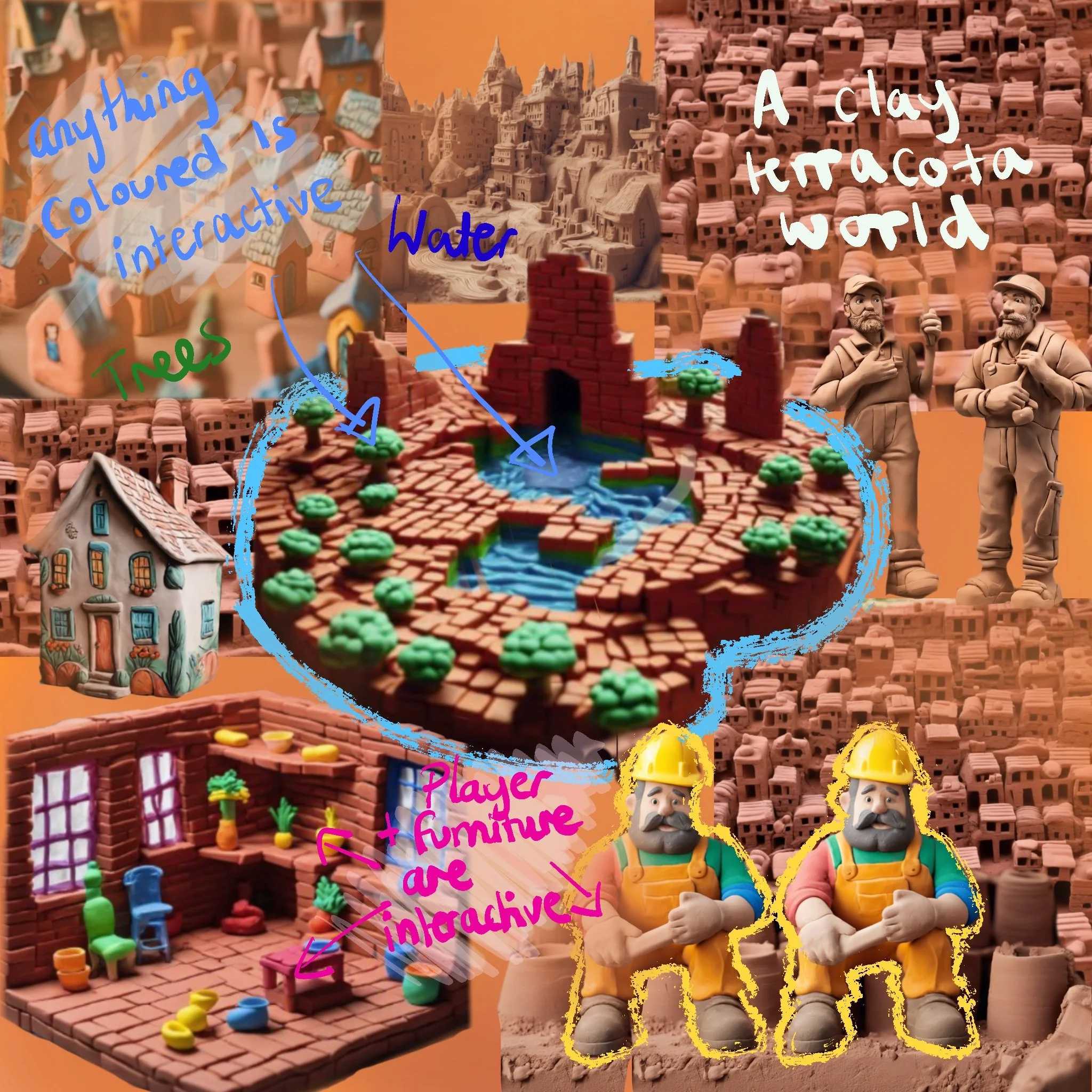
I knew from the beginning that The Contractors needed to take place inside a house, a familiar environment that would make the chaos instantly relatable. I explored a range of visual styles, from the structured cleanliness of The Sims to more exaggerated, modern-art-inspired forms, and even a drawn world, painted world and cardboard world.
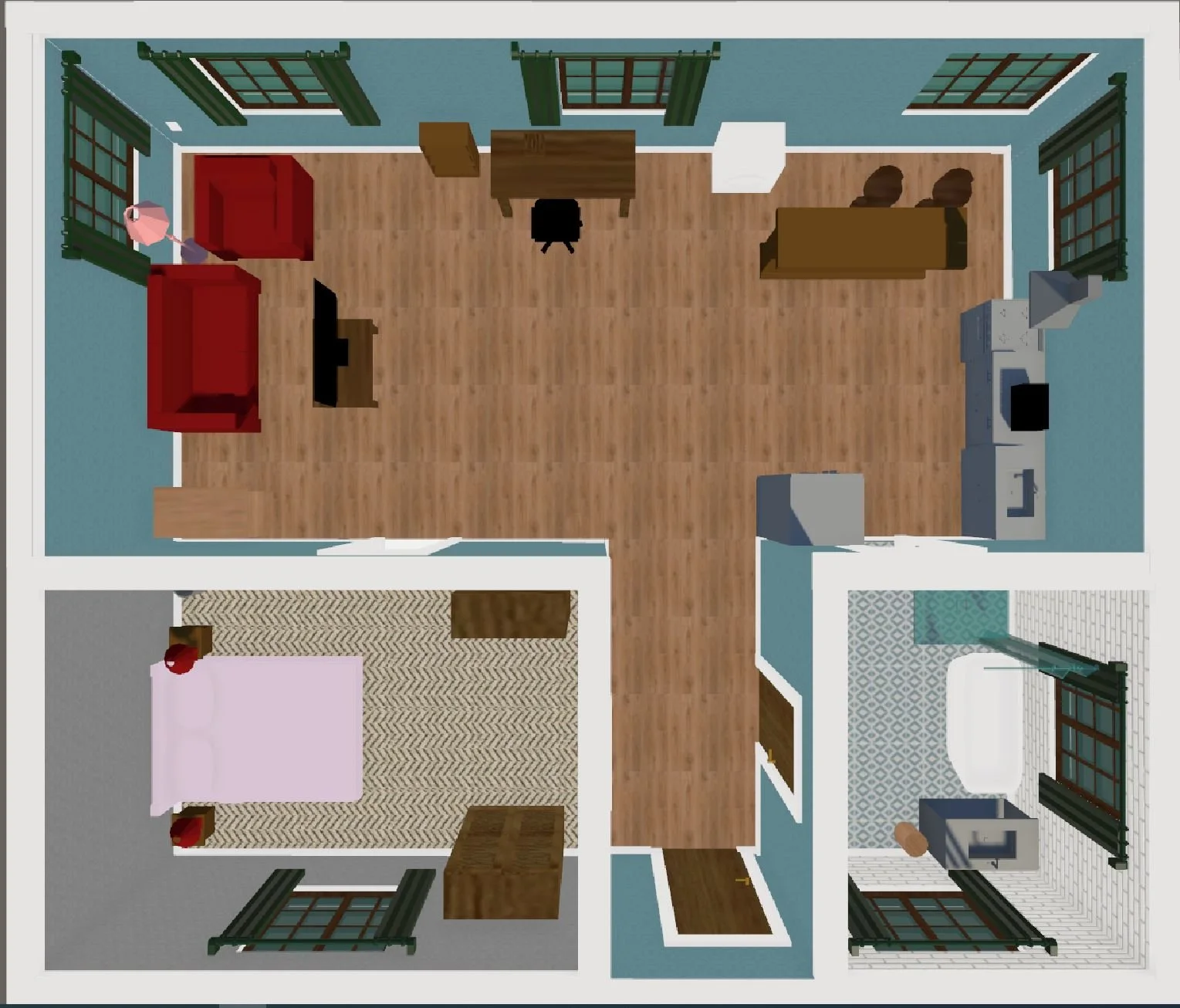
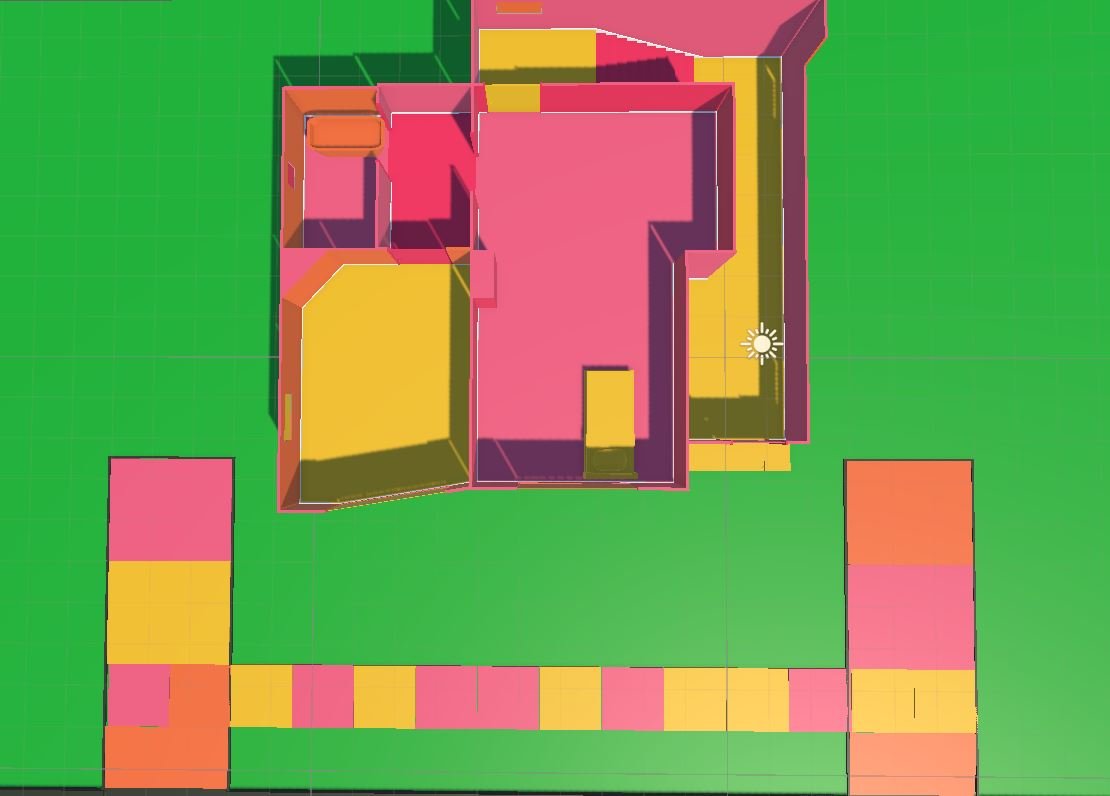
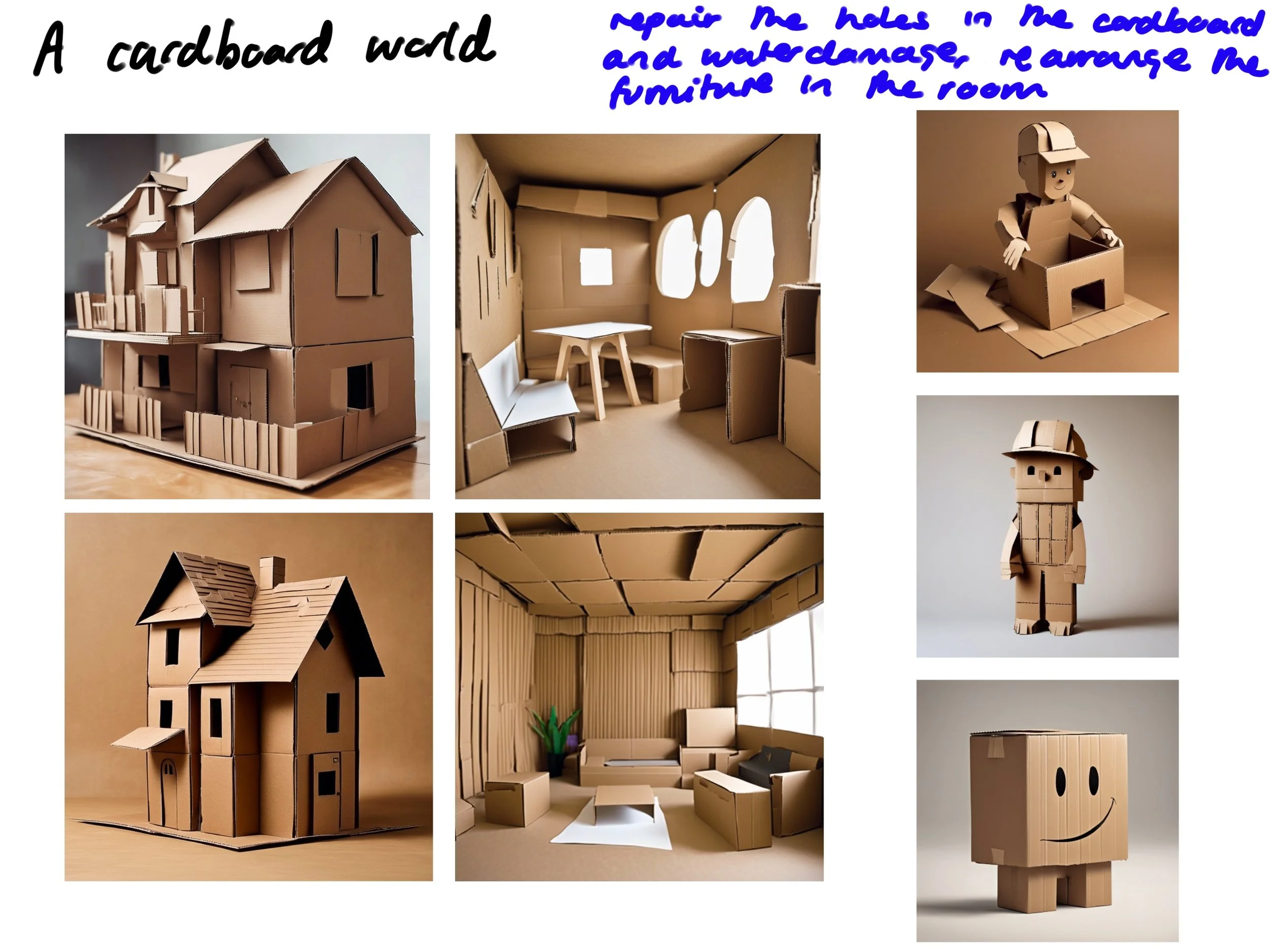
The design needed to fit the chaotic goofy gameplay- a similar feeling to games like Moving Out or Overcooked, through iteration I chose a colourful clay art style.
Clay Whimsical World and Goofy Characters
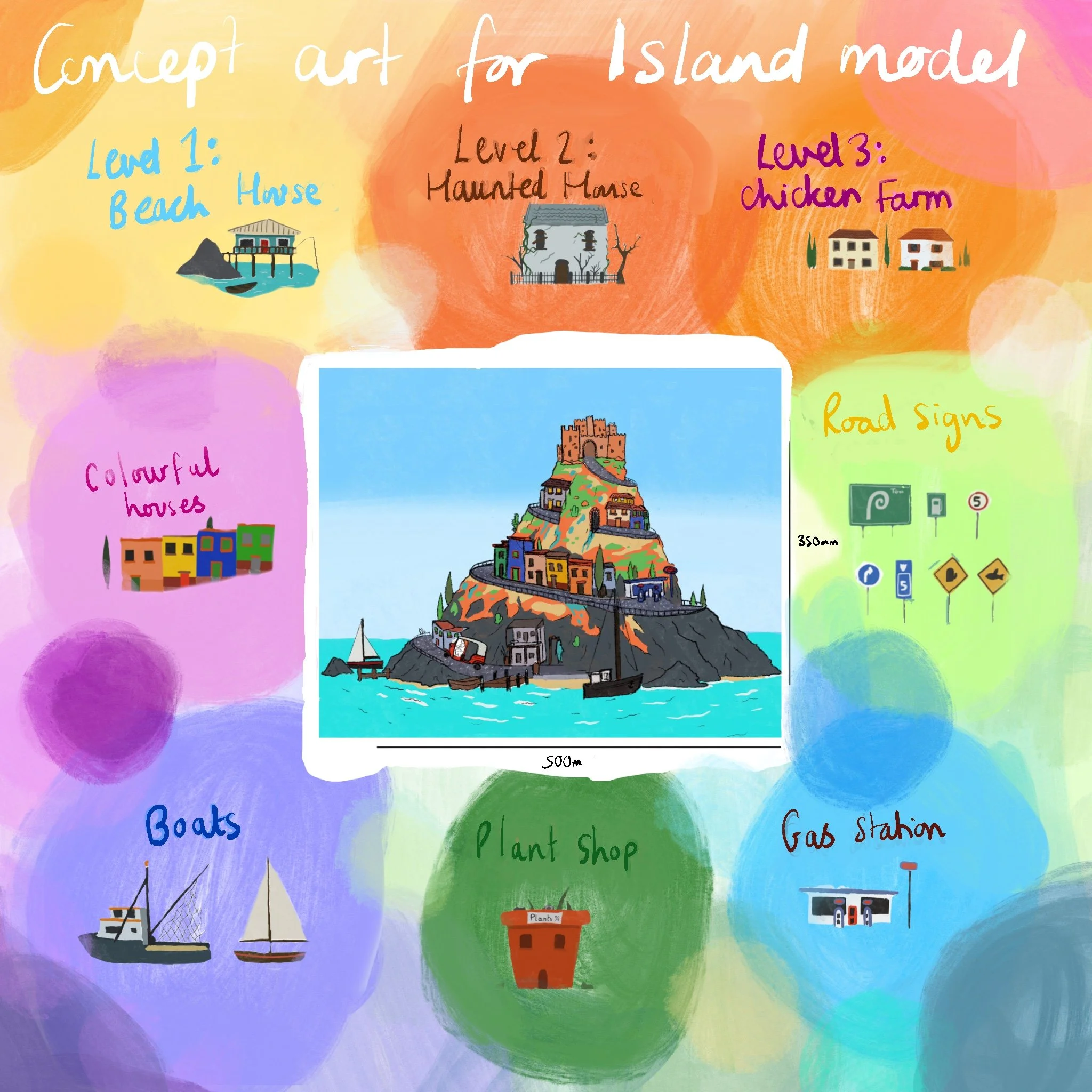
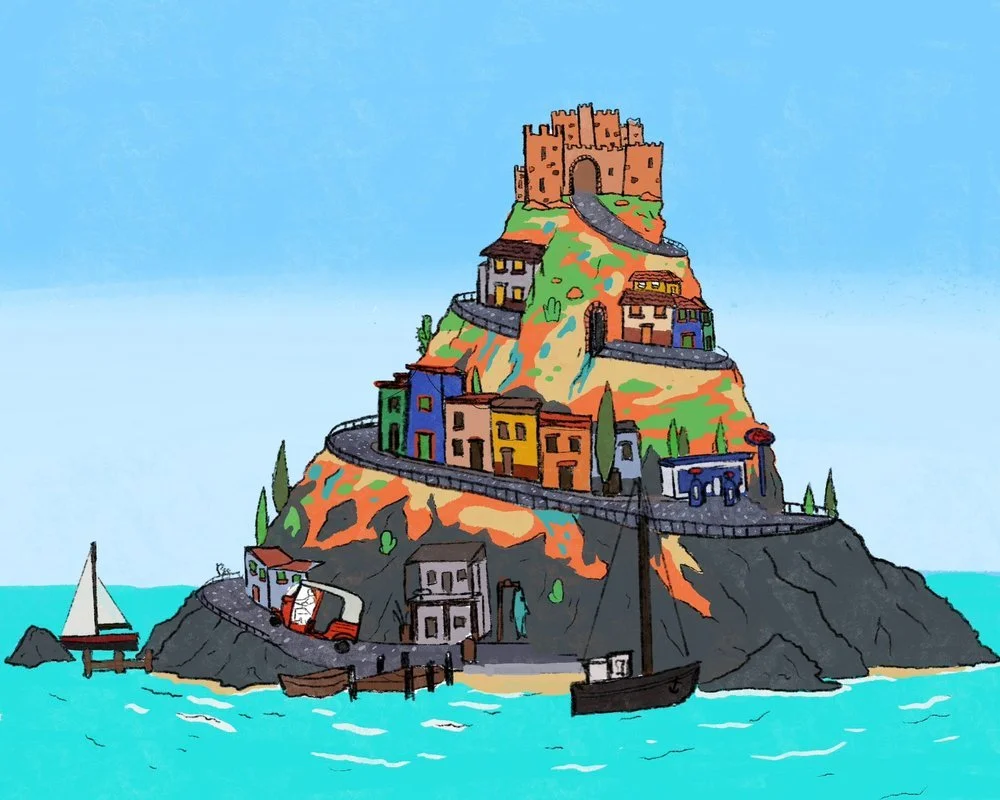
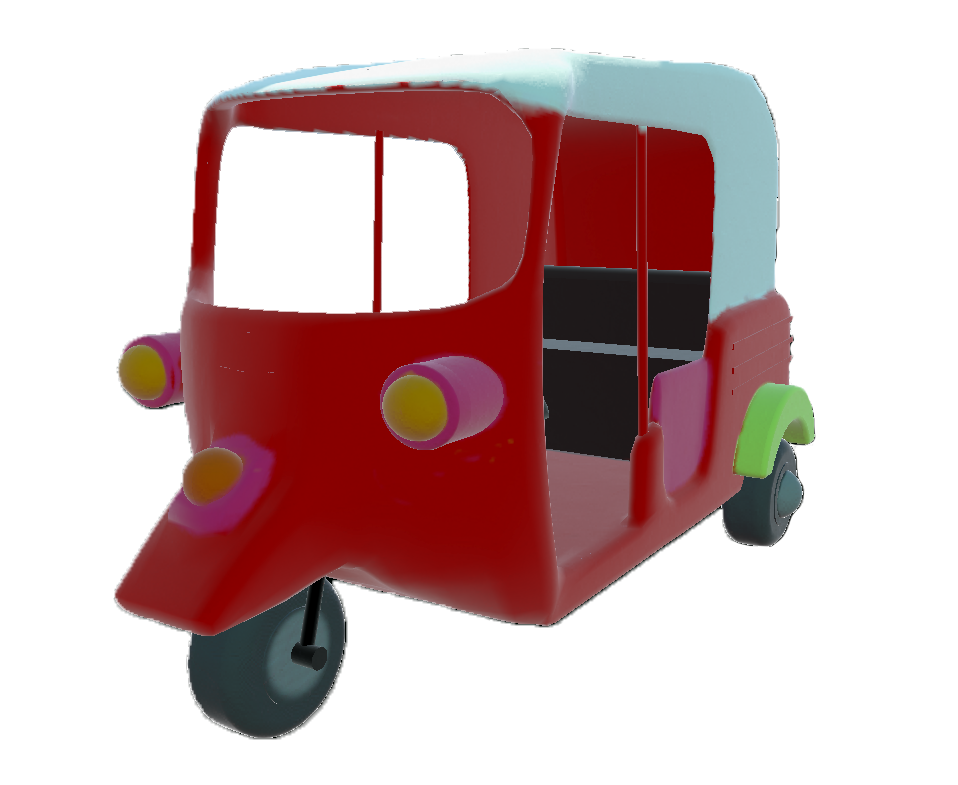
I wanted the world to be bright and colourful, and ended up finding inspiration from the colourful streets in Mexico. I imagined a colourful clay island for the main levels, and tuk-tuks, boats to travel between places (the tutorial is a lighthouse).

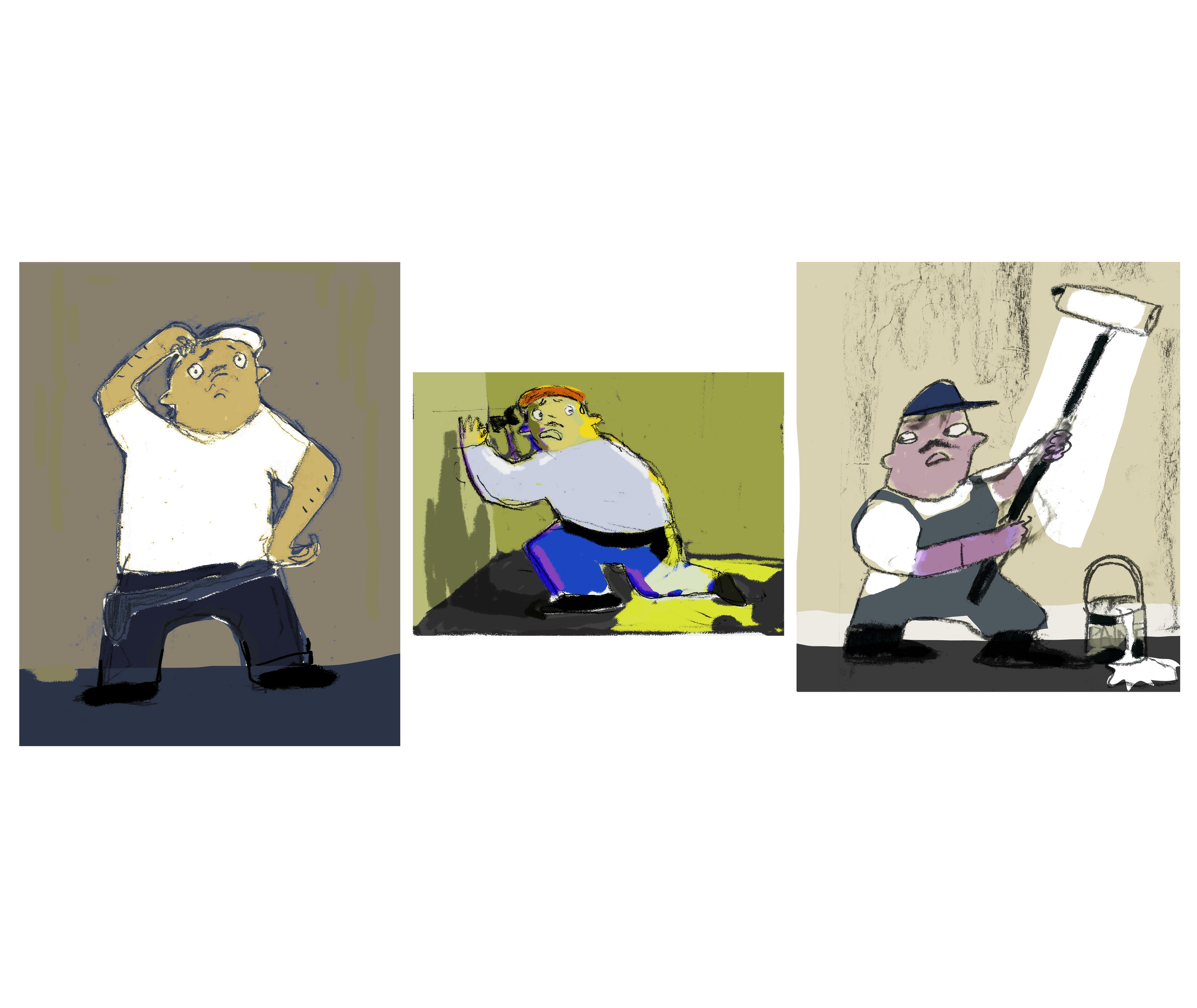
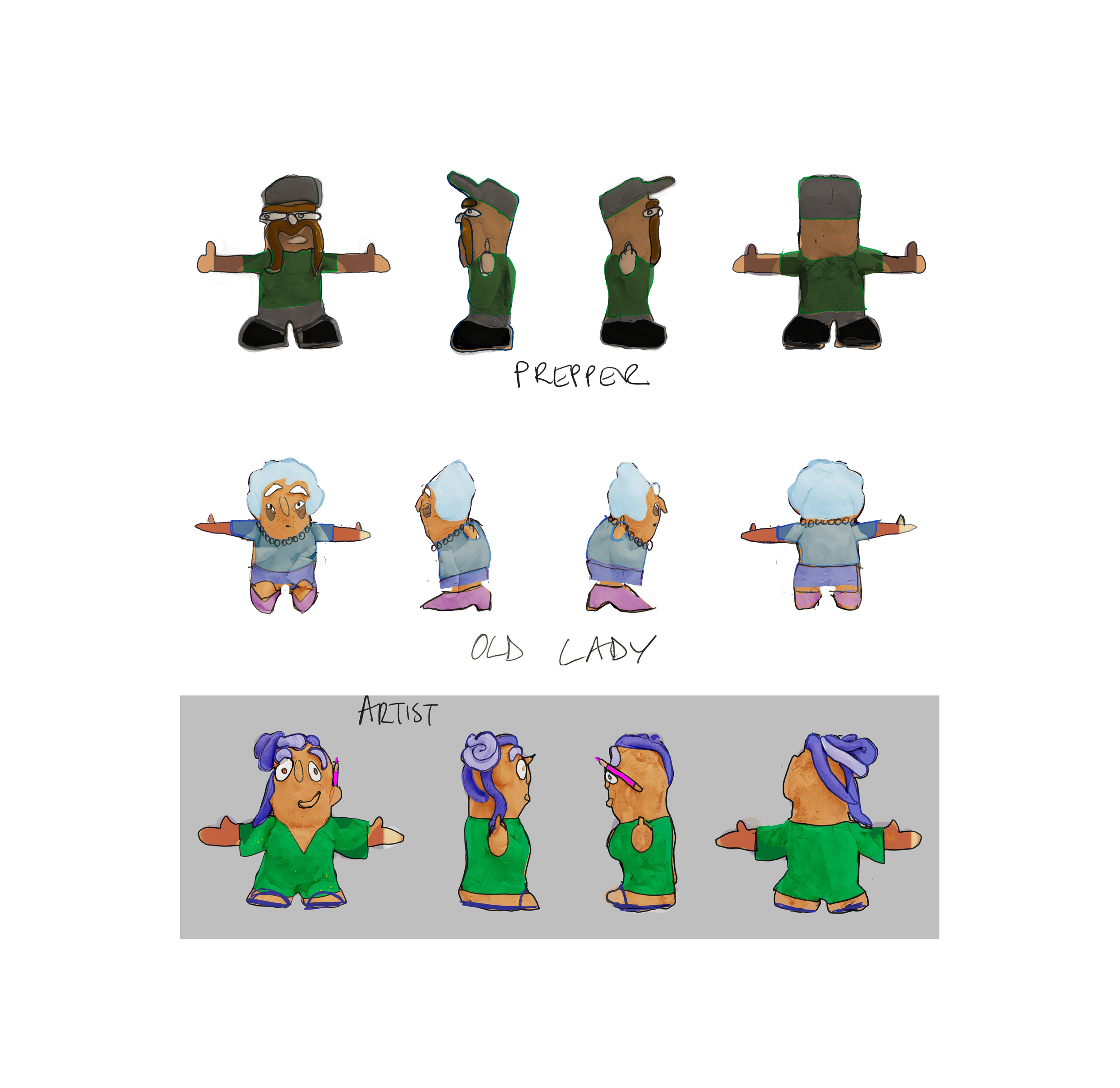
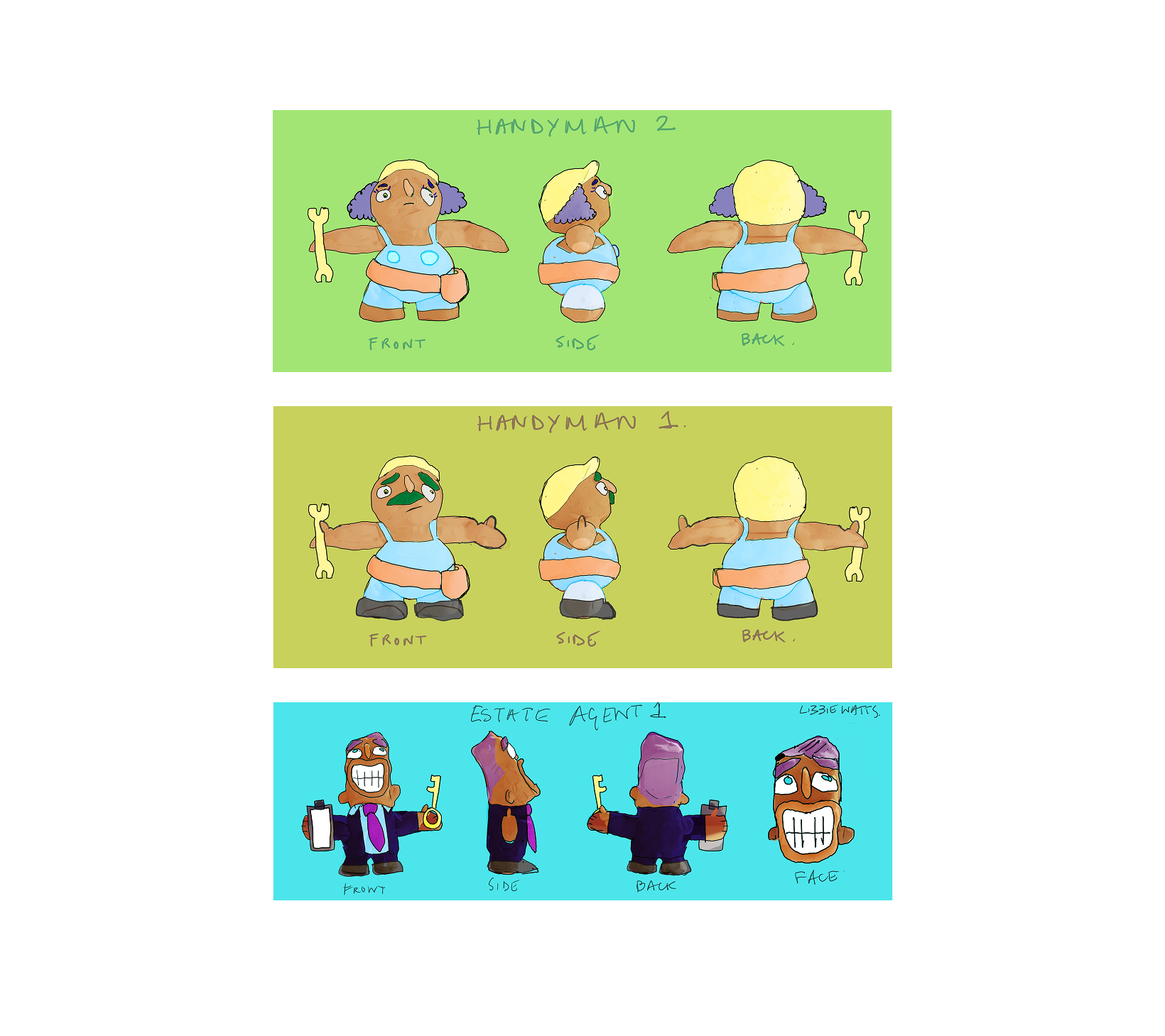
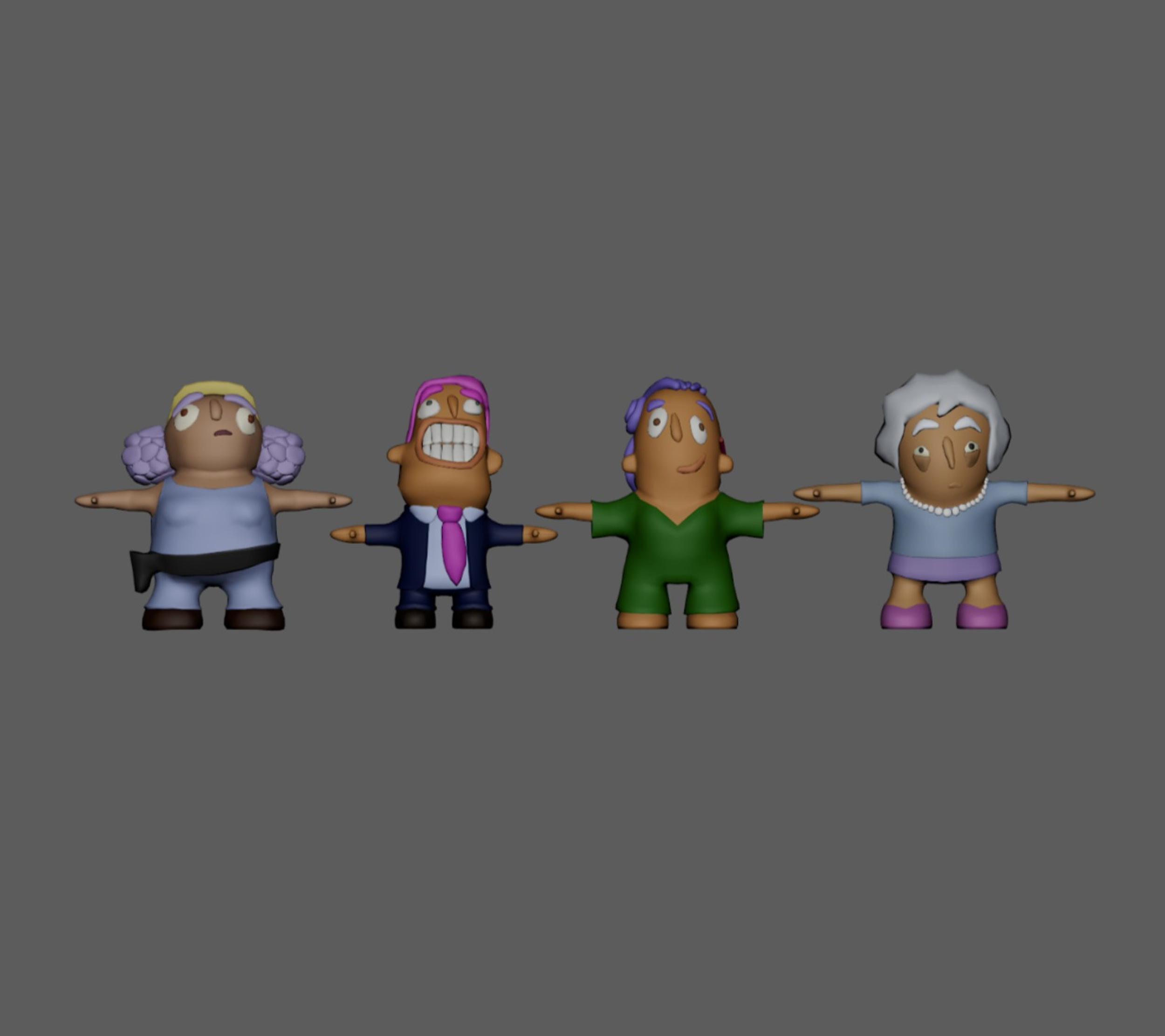
The characters a are goofy too- inspiration includes Pat and Mat, Wallice and Gromit, Overcooked…
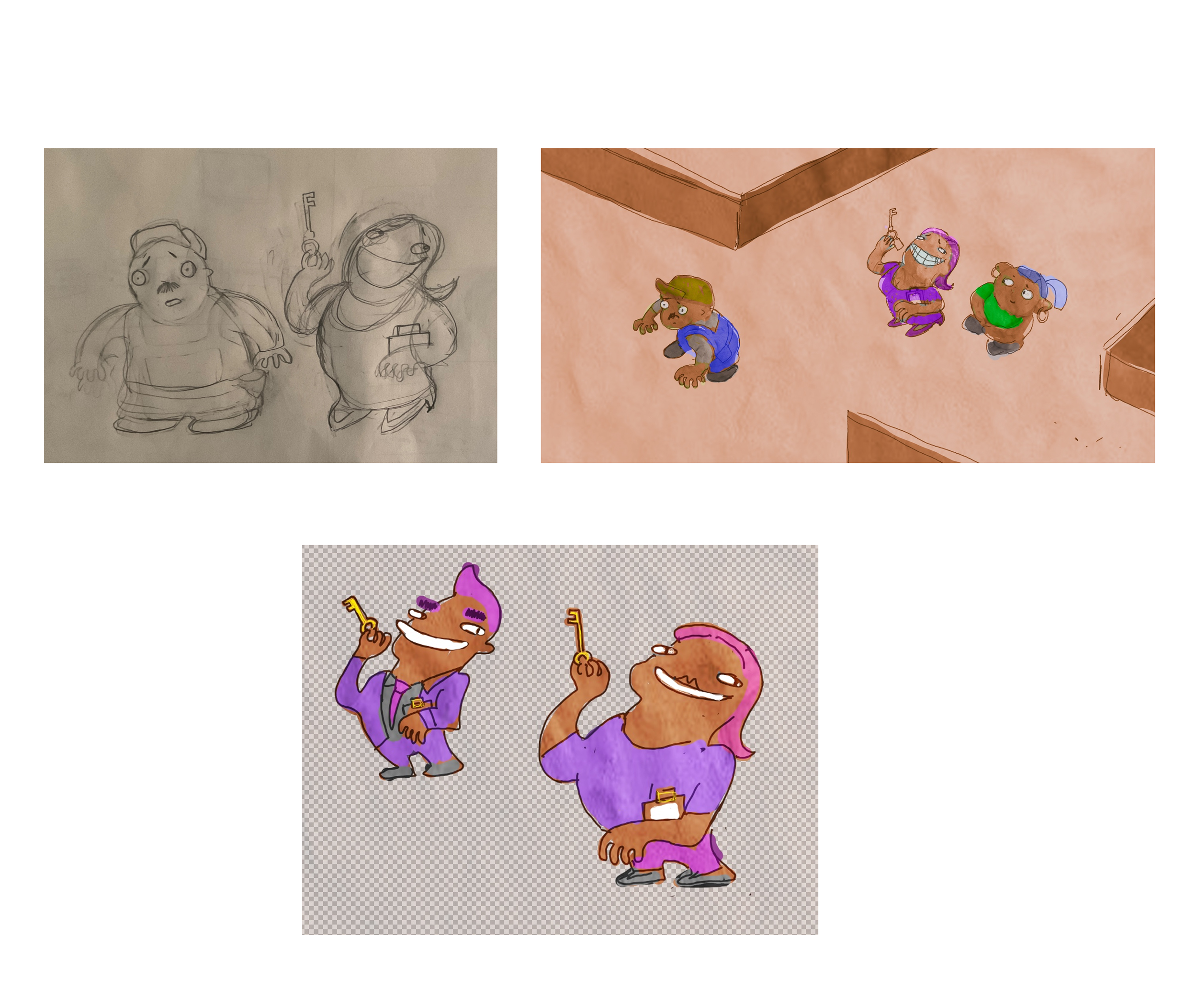
Character design by Lizzie Watts (animator).


Character design process (design by Lizzie Watts)
From Concept Art to 3D Models and UI/UX Design
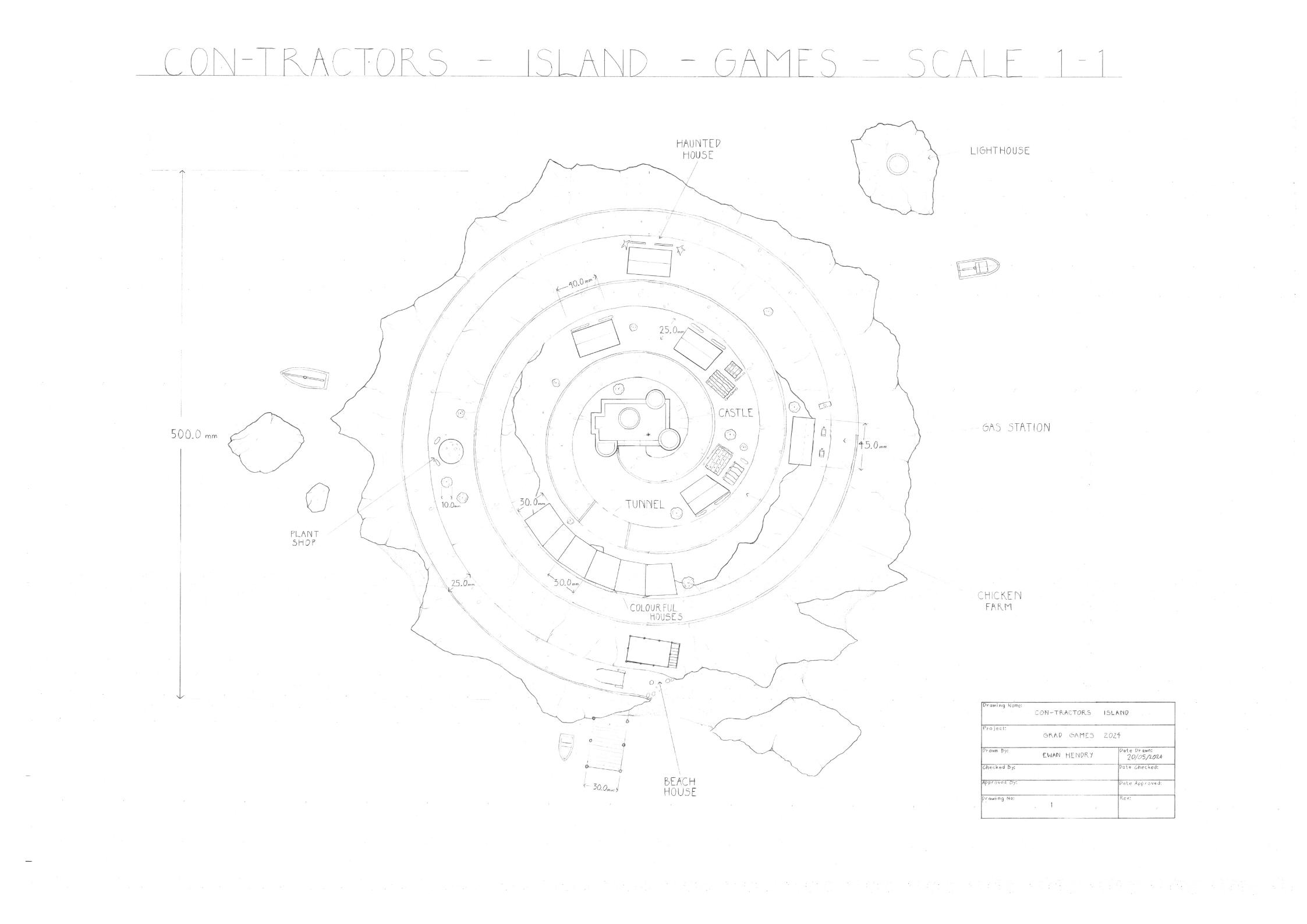
Images below highlight the process of taking designs of the island and boat, tuck tuck and characters, turning them into 3D clay models. Then, it was scanned into Unity using photogrammetry, Maya and Substance Painter.
The furniture in the game was all made digitally and edited to look like clay with ZBrush- due to budget constraints, plus from a distant camera, you would not see all the details of the furniture. The process for hand-made items was more complex, due to retopologising textures, etc, a few examples below.
We worked with model makers, animators, production designers and VFX artists.
Level select design process (design by Ewan Hendry- Production Ddesign)
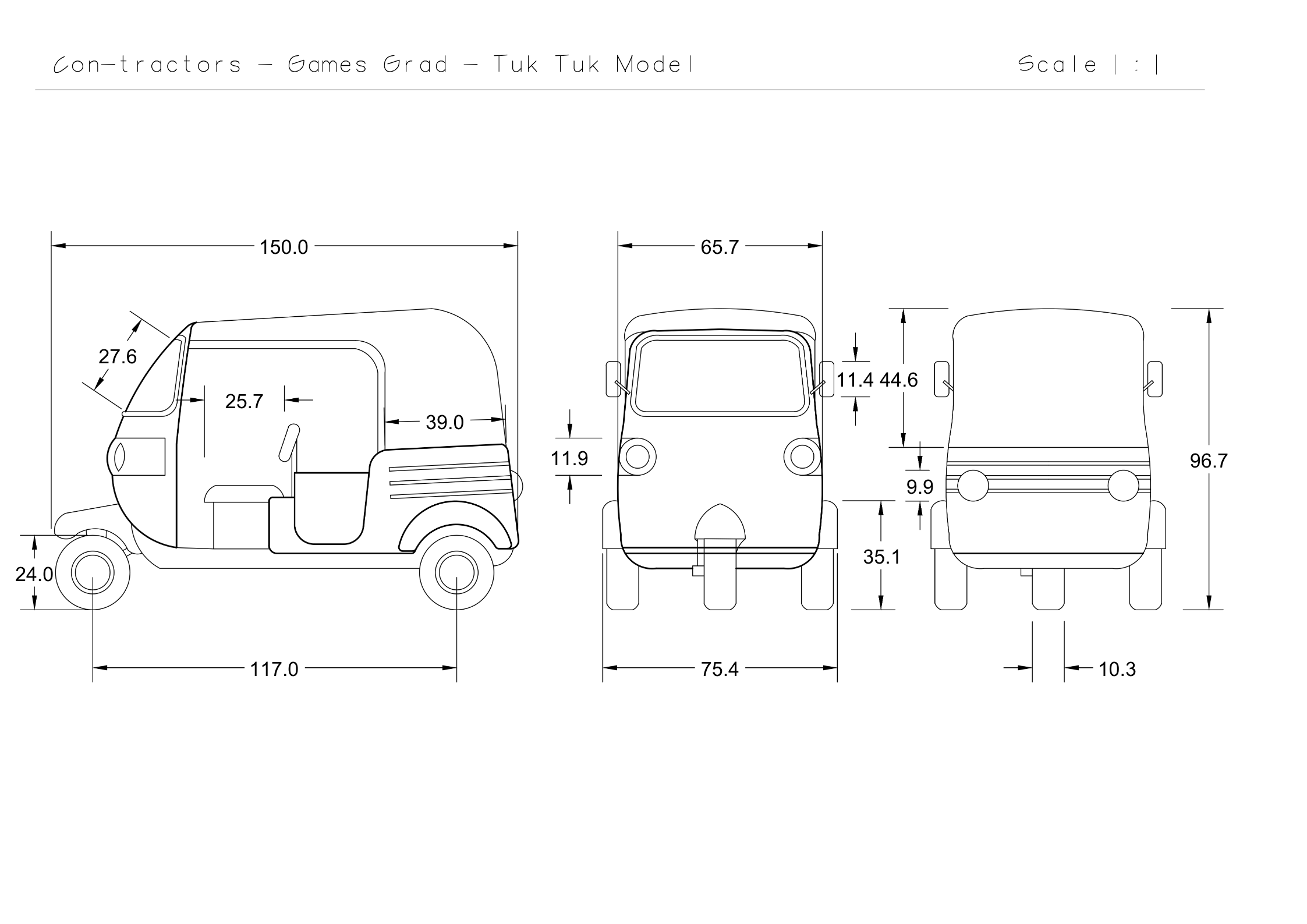
The tuck tuck (designs by Ewan Hendry)
UI/UX Direction
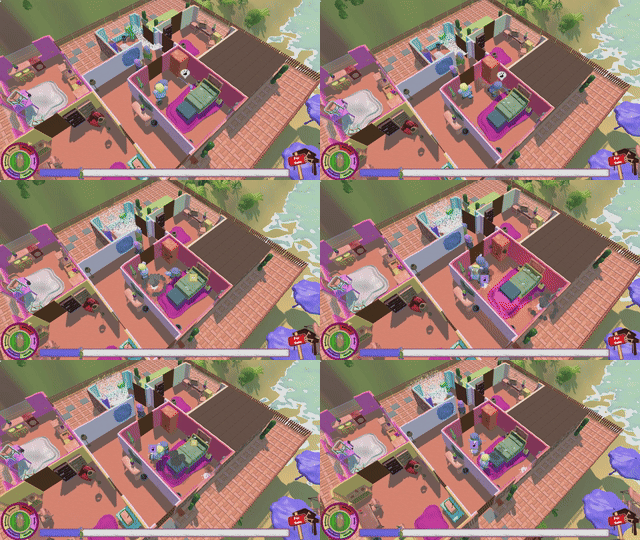
Given the game had so many objects and vfx, different systems were tested- outline shaders, VFX for the interactable objects and feedback in the game. We reached a conclusion that the game lacked personality all brown and muted, so instead an outline shader was used for interactable objects.
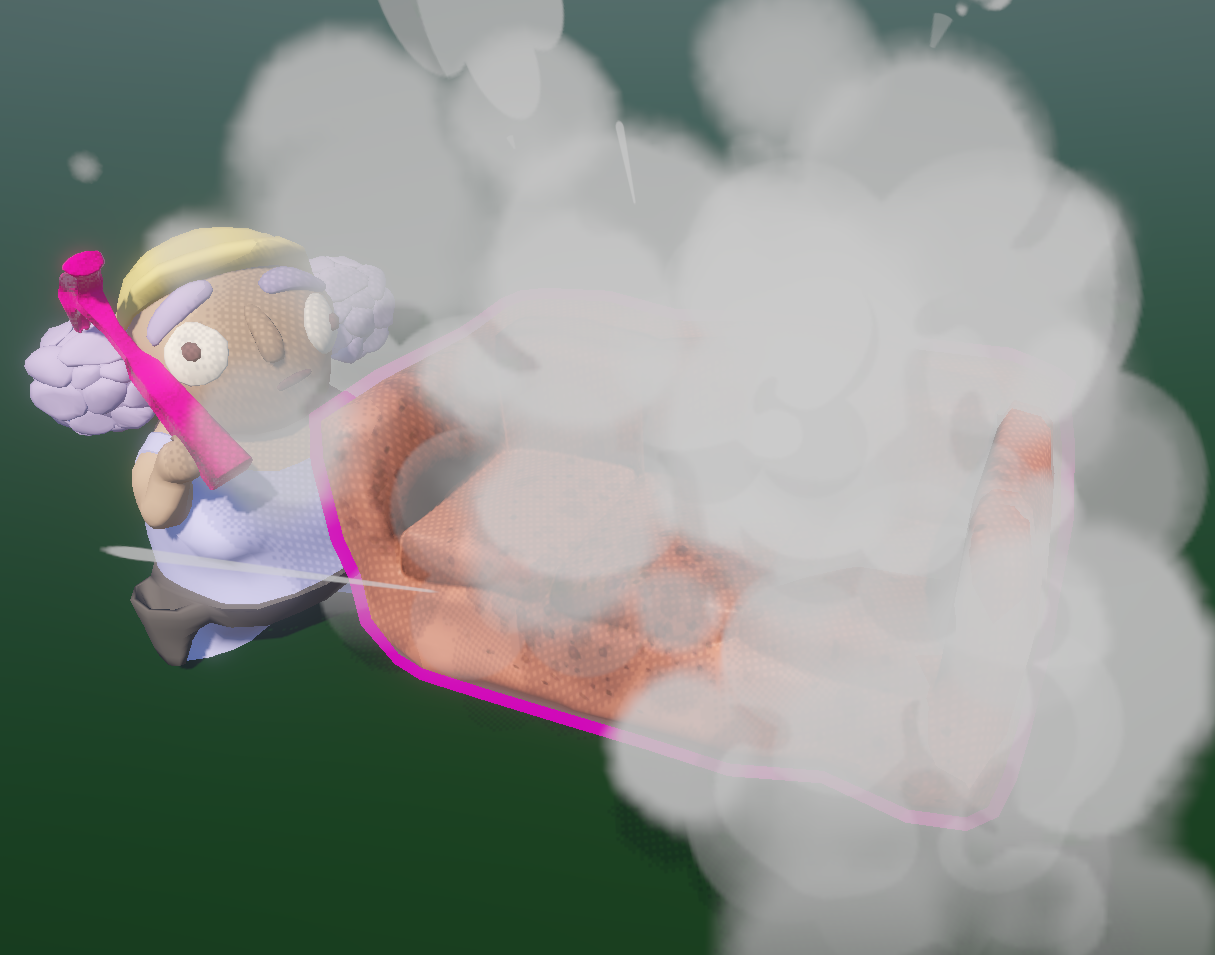
Testing outline shader/ colour coding interactable objects.
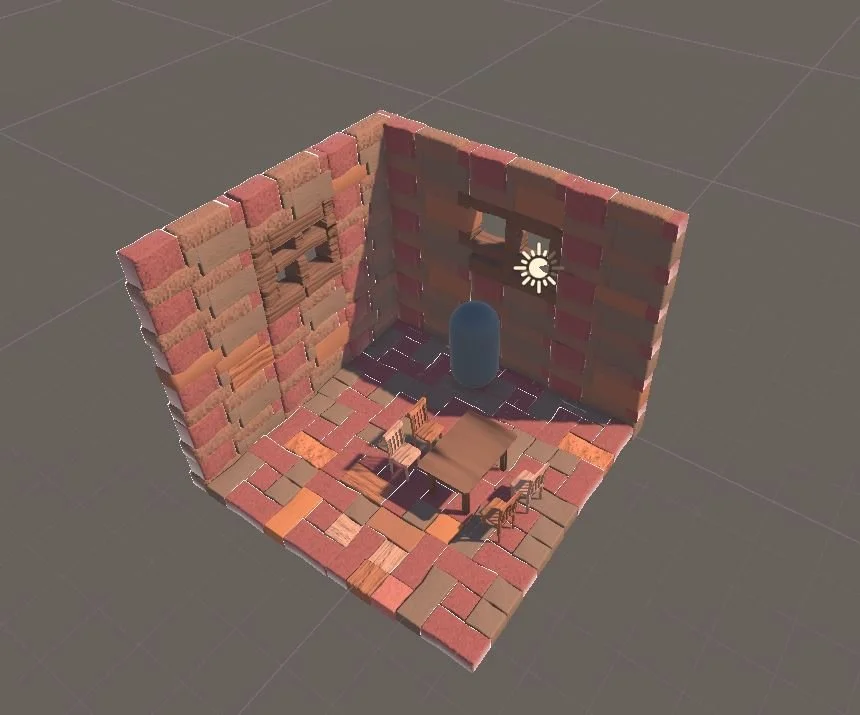
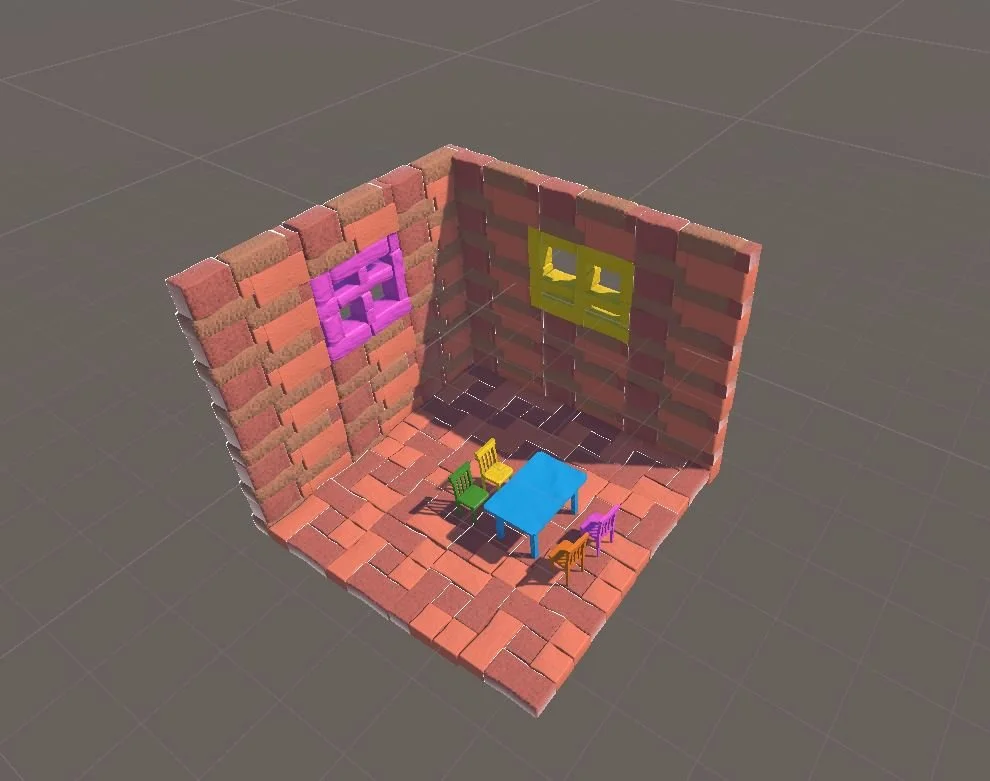
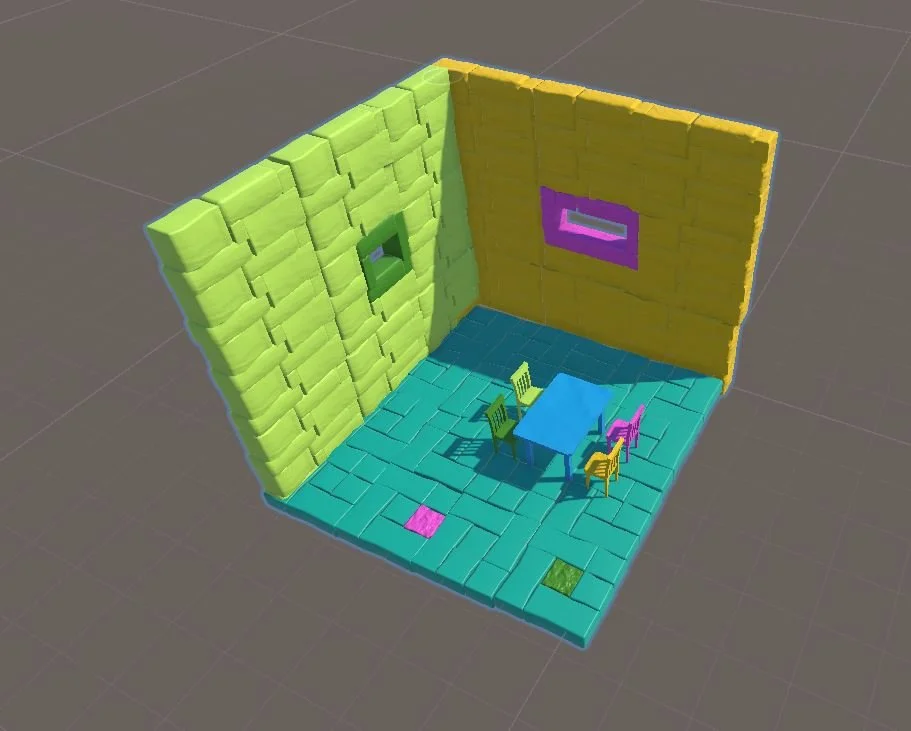
Playtesting the art style
Level Design
This presented a particular challenge in our game. From what worked best mechanically to what looked best aesthetically. 10 different levels were made and tested. Too many corridors made it too easy, but not aesthetically pleasing. Making the levels design interesting- and suited the personality of the characters (who were buying the home) was a challenge we tackled head on to make the game play as interesting as possible.
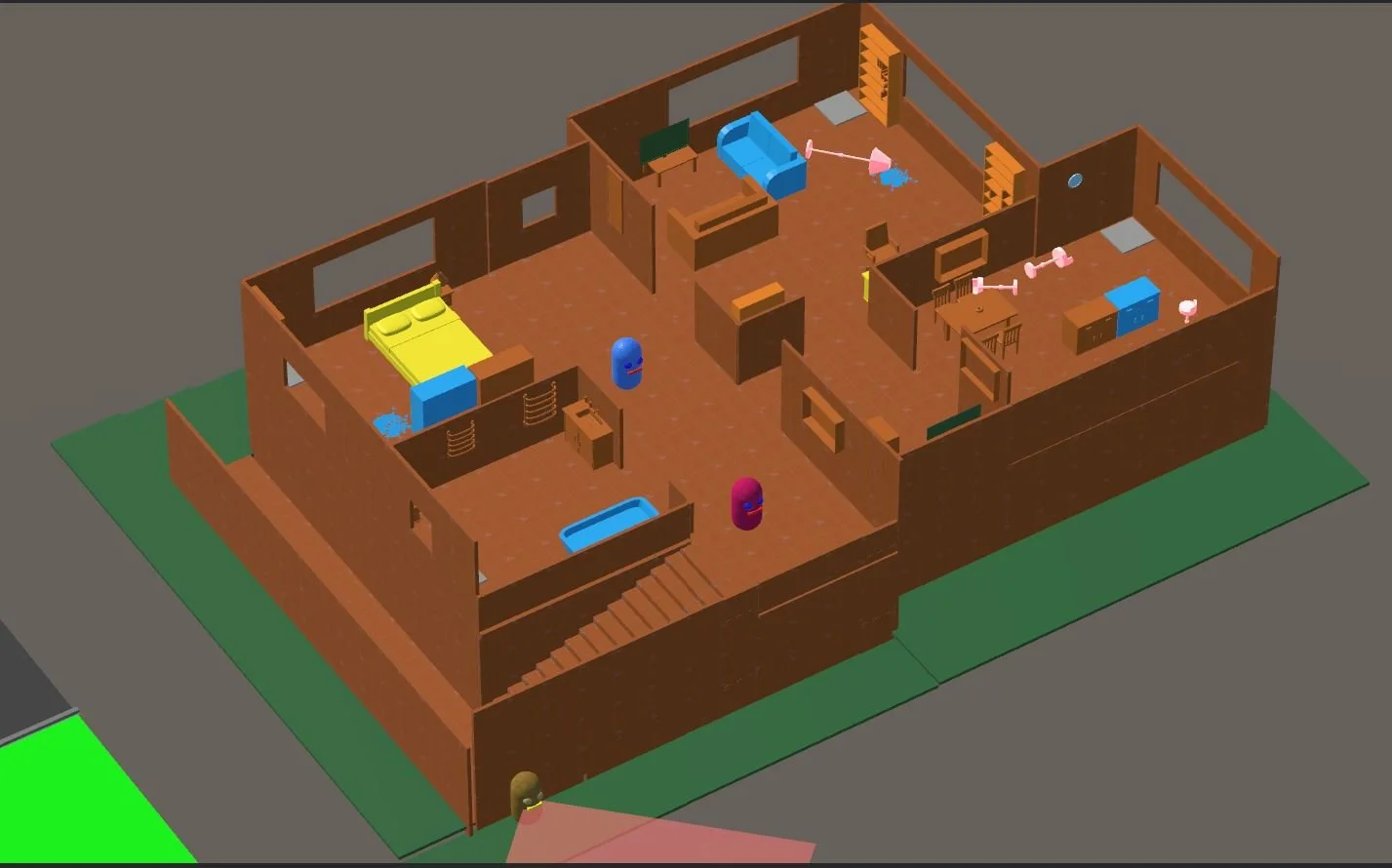
Final Visual Identity
The final look of The Contractors combined the handcrafted warmth of clay with the clarity and structure of a well-designed interface. Every visual element — from HUD icons to environmental props — supported the sense of playful chaos while staying readable in split-screen co-op.
The colour palette was tuned for contrast and legibility, allowing players to instantly recognise tasks, timers, and feedback cues amid the mayhem. Lighting and composition helped direct focus during fast-paced interactions, ensuring no moment felt overwhelming.
This cohesive visual identity tied together the humour, world, and usability — delivering a game that was chaotic to play, but clear to understand and satisfying to master.
The game was successfully exhibited at EGX/MCM, where it was interviewed by CBBC and then showcased on BBC and CBBC. It also gained publishing interest from Apple Arcade and Raw Fury and developer interest from Mediatonic and Unity. The following year it went on to showcase at BFI.


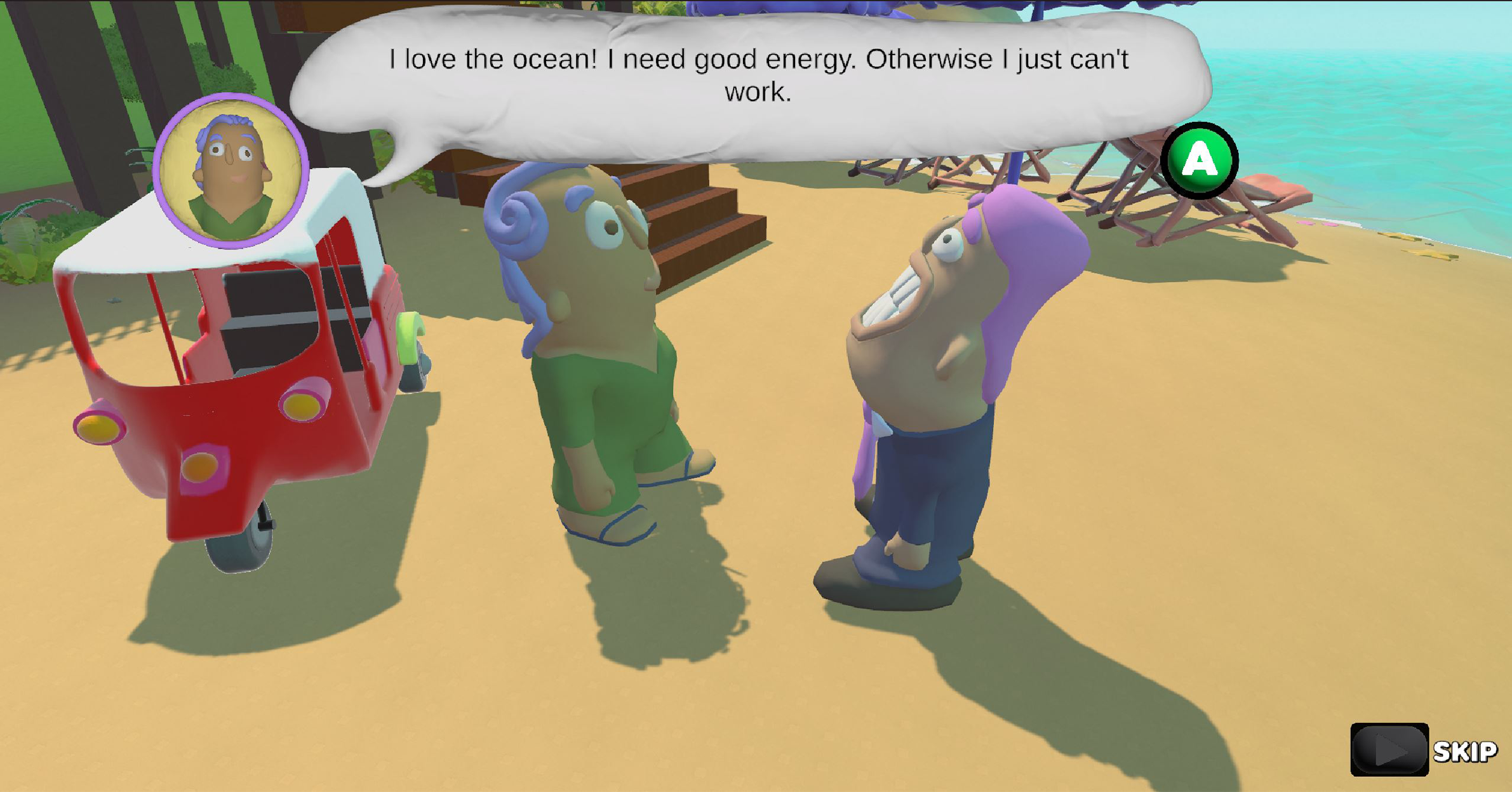
UI/UX Examples
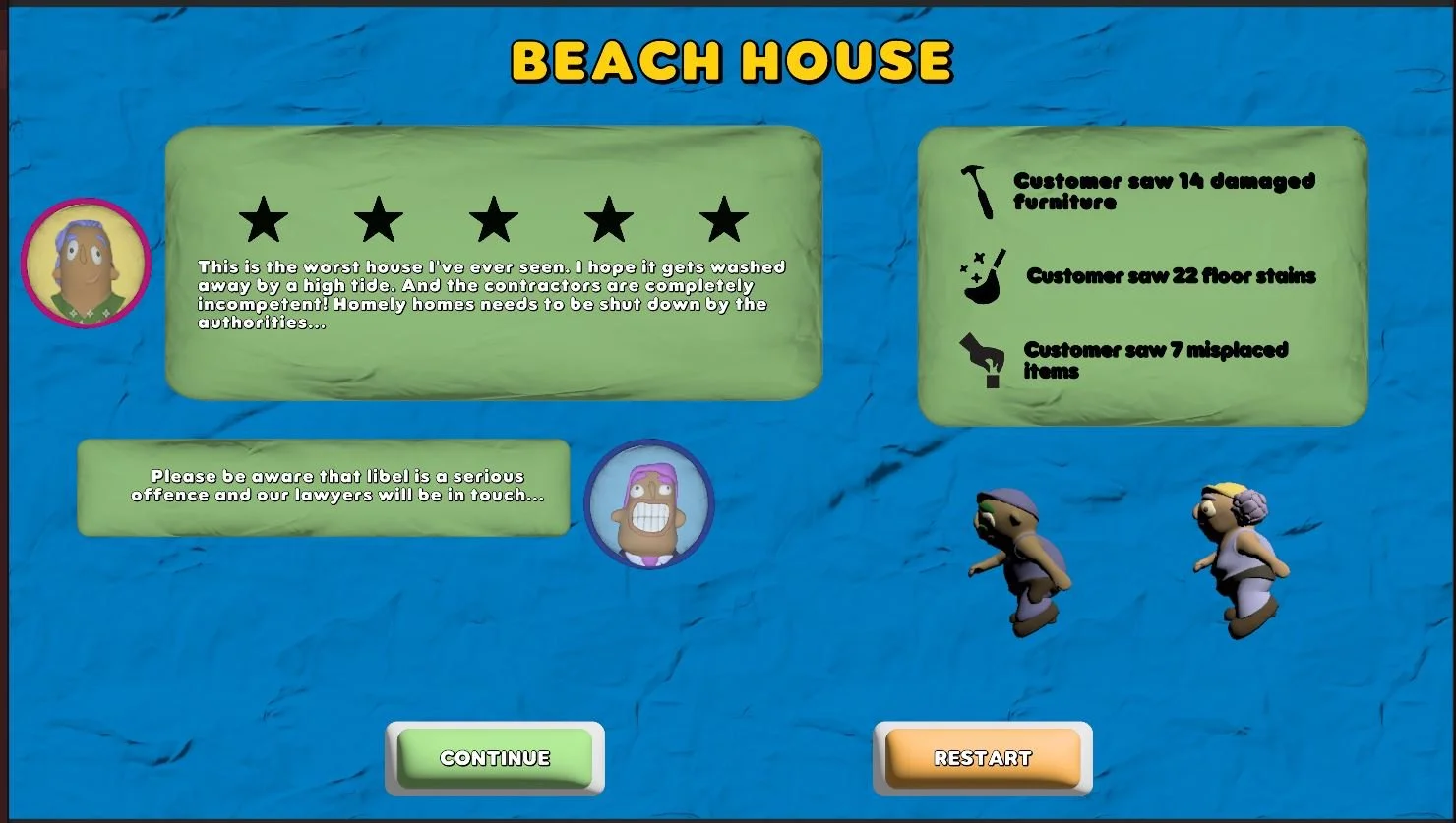
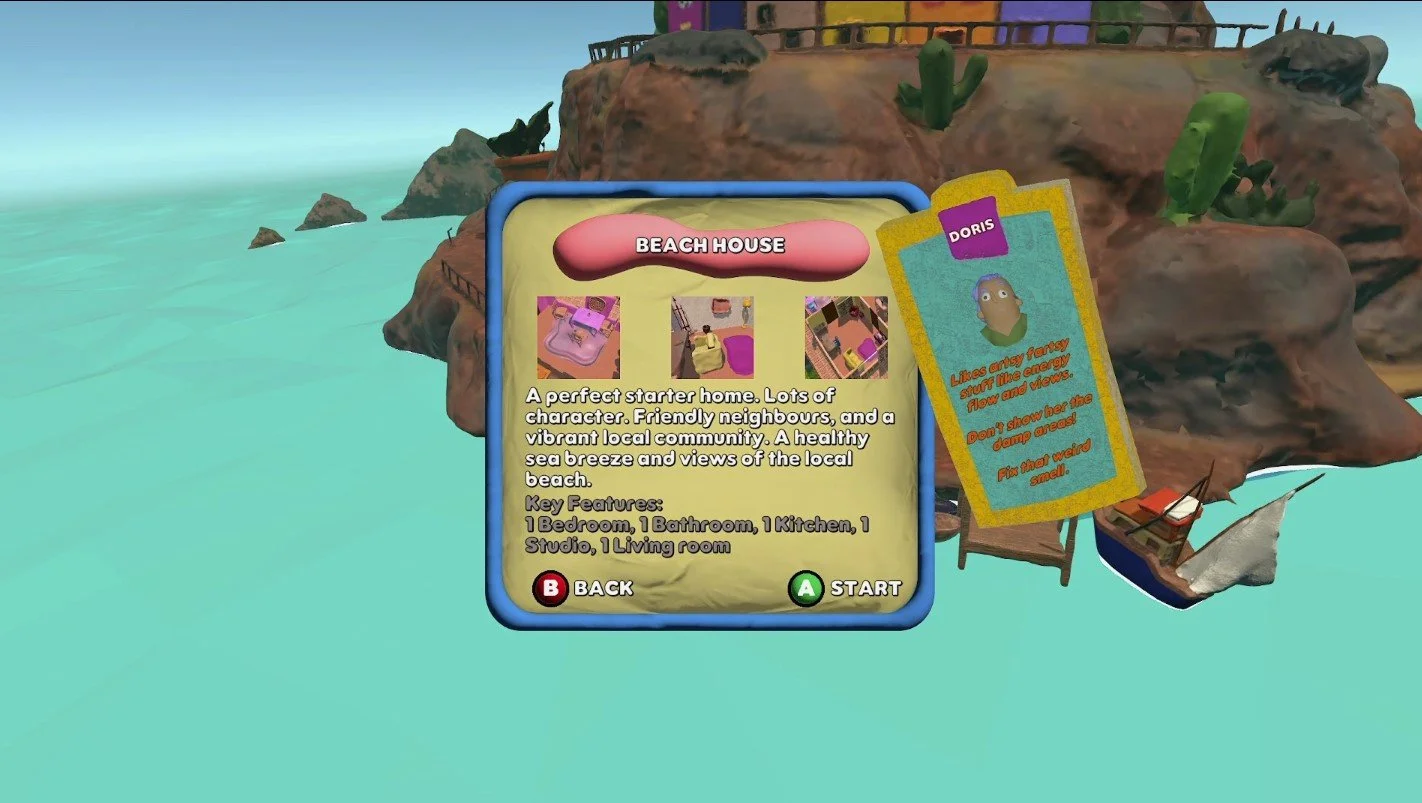
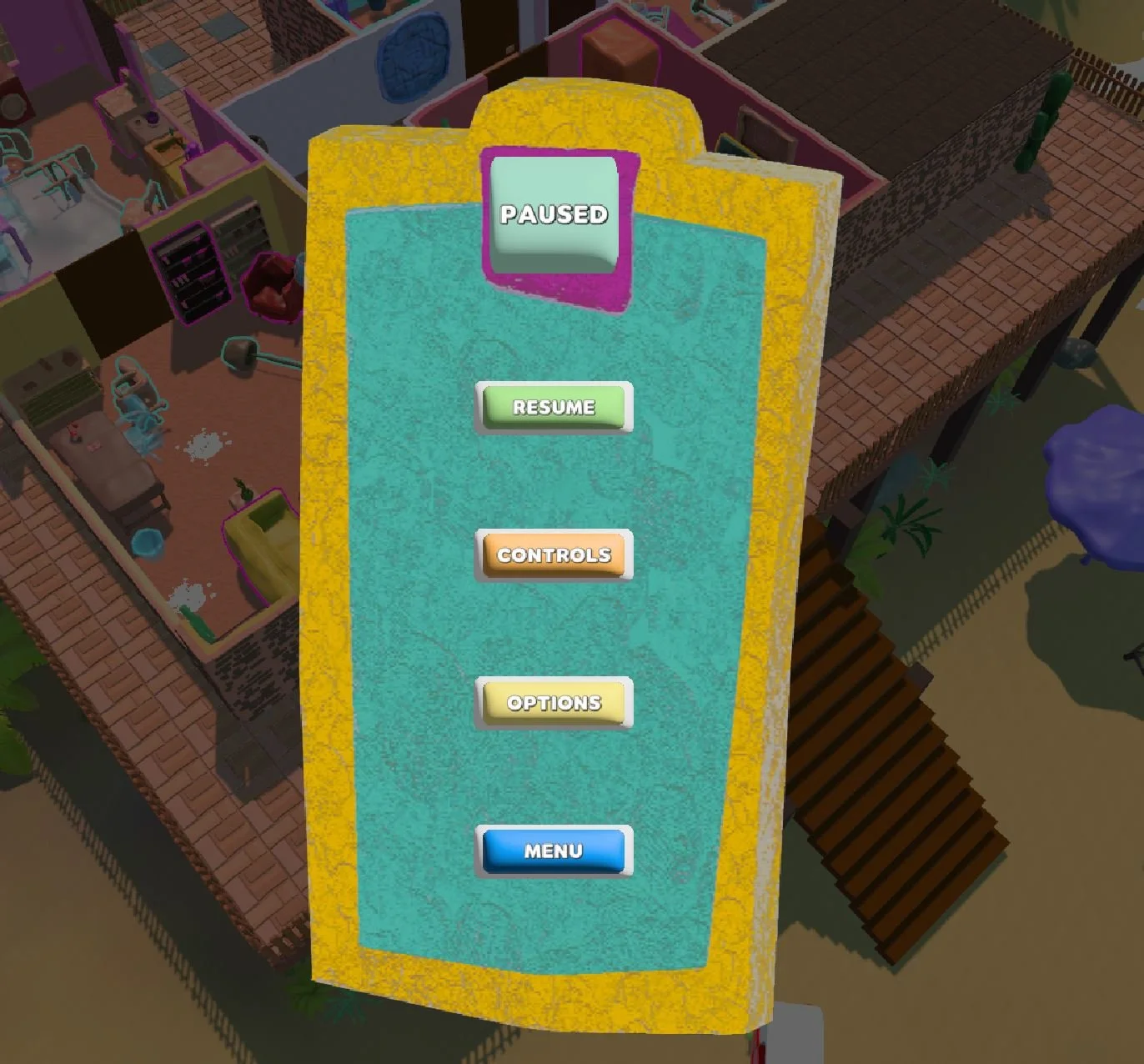
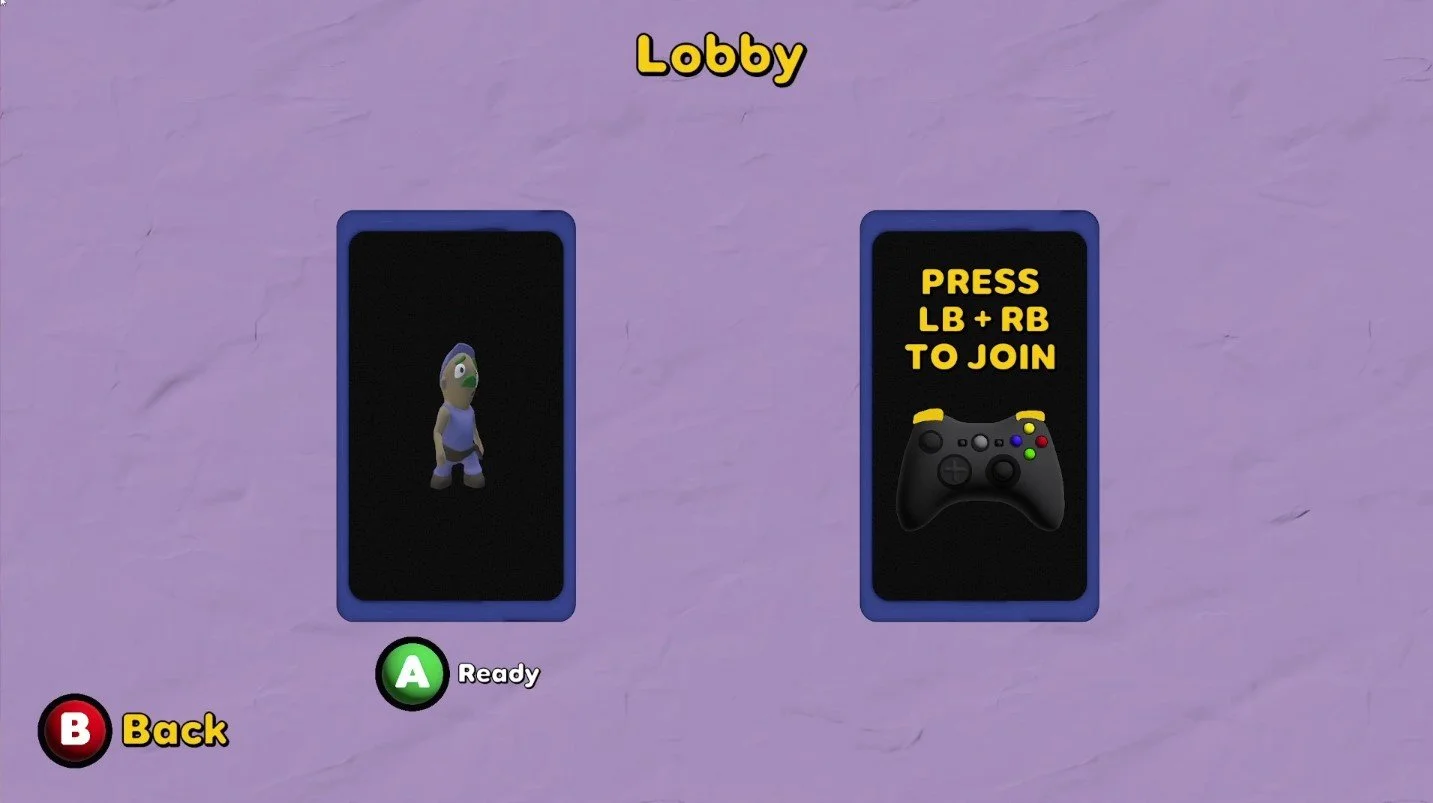
Gameplay
Players learn the core mechanics of the game in the tutorial- repairing furniture., cleaning stains and moving furniture. During the game damages re-appear since they are only quick fixes. So you learn to hide in furniture too! If you get caught by the customer- game over. If you want to increase the likelihood of selling the house, make sure the customer sees no damages! Depending on their personality type- add in custom objects to boost their mood even further!
Download the game here
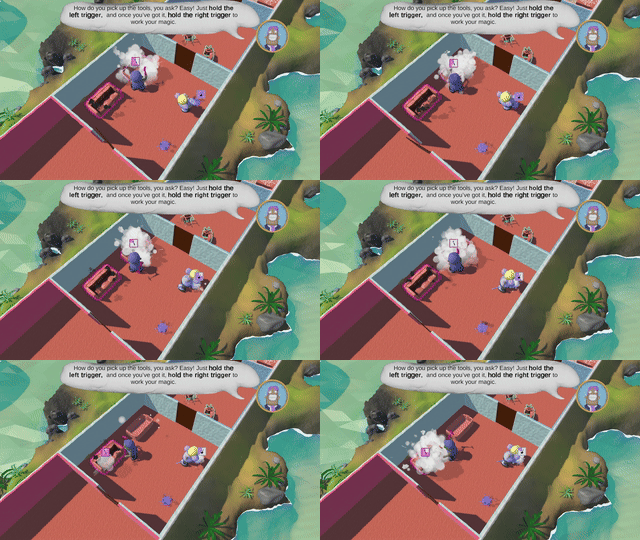
Tutorial: Light House, Level 1: Beach House